
Mobile Dog Grooming in Carlisle, PA: Inside the Van, the Equipment, and How a Session Works
How a mobile dog grooming van is actually set up, what equipment runs inside it, and what a typical one-dog session looks like in Carlisle, PA.
Yorkie named Peanut went from forty-five minutes in a shop to twelve minutes start to finish in the van. Not because Peanut got faster. Because there was no kennel wait, no holding area, no time spent stressing between steps. The math on a one-dog session is just different.
Quick answer: A mobile grooming van in Carlisle, PA is a self-contained unit. It runs its own water, its own power, and does one dog at a time. Typical sessions run 45 minutes to 90 minutes depending on coat and size. No other dogs. No drop-off window.
How the Van's Water System Works
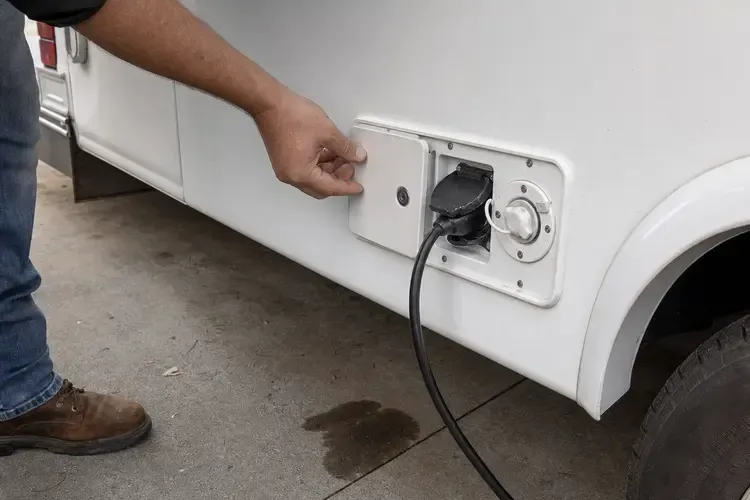
The van carries its own water. A 40-gallon fresh-water tank and a separate 30-gallon drain tank sit in the rear of the unit. Water runs through an on-demand propane water heater, so the temperature stays consistent throughout the bath regardless of outside temp. We refill the fresh-water tank at base between routes. No hookup needed at your house.
One thing that surprises people: the water pressure inside the van is calibrated for dogs, not for a car wash. It is strong enough to rinse a thick double coat but not so forceful that it spooks a small breed. The showerhead sits on a flexible hose, so we can direct it under the belly, behind the ears, and down the legs without repositioning the dog.
What the Generator Powers During a Session
Most route-ready vans run a 7.5 or 10 kW generator. Ours pulls around 18 to 24 amps at peak, which is when the dryer and the climate system are both running. The generator is mounted in a soundproofed housing at the rear, so you hear a low hum outside the van but almost nothing inside. Dogs are not reacting to generator noise — that part of the build matters.
The climate system runs off the generator too, which is why mobile grooming works in January and August. A shop with no AC does a bad job drying in summer. A van at 72 degrees year-round does a consistent job every time.
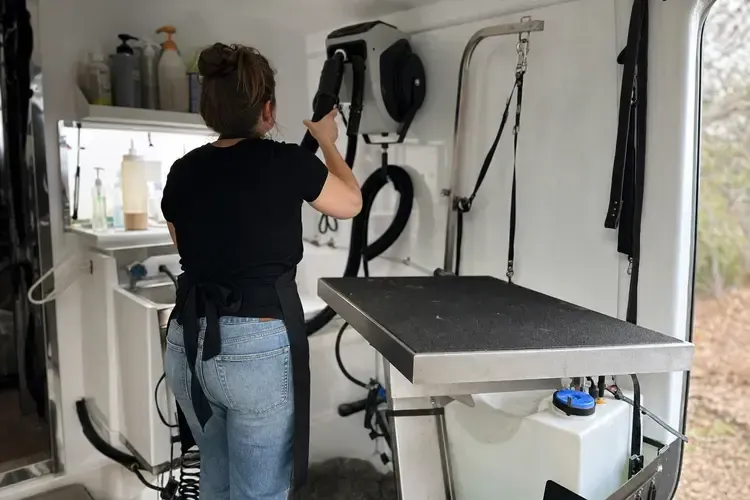
The Drying Setup Inside the Van vs a Shop Dryer
Shop dryers work on heat. Most kennel dryers push warm to hot air and use time plus temperature to dry the coat. A mobile van uses a high-velocity dryer, which is a completely different approach. It moves a large volume of room-temperature air at high speed, blowing water physically out of the coat rather than evaporating it with heat. For thick or double-coated dogs, this pulls loose undercoat out at the same time.
The tradeoff is noise. High-velocity dryers are loud, typically 85 to 95 decibels at the nozzle. Dogs that have never heard one can startle on the first visit. We start further from the dog and move closer as they settle. By the second or third visit, most dogs are fine. The de-shed treatment uses this exact process — high-velocity air plus a slicker brush, in that order.
How a One-Dog Session in Carlisle Actually Runs
The van arrives, parks, and the groomer does a quick walk-around with the dog on a lead before loading — just to let the dog sniff and see. Then up the ramp, gate closed. Bath first, rinse, then the blow-out. Brush, then nail work. Ear check and cleaning. Any haircut comes last, when the coat is fully dry. The
nail trim and grind service is the step most dogs tolerate better in a mobile setting — there is no leftover anxiety from a kennel wait when you get to that point.
For mobile pet grooming Carlisle PA, most route days run Tuesday through Friday. We typically do six to eight dogs per day per van. Carlisle slots tend to run mid-morning to early afternoon. Book through the online form and the system will show you the next available window.
Which Package Fits Which Dog
| Dog type | Best package | Avg. session time | What changes the time |
|---|---|---|---|
| Short-coated dog (lab, boxer, beagle) | Bath package | 30-45 min | Size and behavior |
| Double-coated dog (husky, golden, aussie) | Bath and de-shed | 60-90 min | Coat thickness and undercoat volume |
| Long or curly coat (doodle, cocker, poodle) | Full groom | 75-110 min | Mat condition and haircut style |
| Wire coat (schnauzer, terrier) | Full groom | 60-90 min | Coat growth since last groom |
| Senior dog with mobility limits | Bath or full groom | Varies | Break frequency needed |
How Often Carlisle Dogs Should Come In
Short-coated dogs can go eight to twelve weeks without looking rough. Double-coated breeds in central Pennsylvania have two heavy shed seasons — spring and fall — so a six-week interval during those periods keeps the undercoat from getting ahead of you. Long-coated dogs on any coat, six to eight weeks is about the longest you can stretch before mat risk goes up significantly.
The thing most owners underestimate is how much faster grooming goes when the coat is maintained consistently. A dog that comes in every eight weeks takes about sixty percent of the time that a dog coming in every five months takes. That affects price. It also affects how the dog experiences the session — a mat-free coat is a lot more comfortable to work through.
- Short coat breeds: every 8-12 weeks
- Double coat breeds: every 6-8 weeks, more often during spring and fall shed
- Long or curly coat breeds: every 6-8 weeks to prevent matting
- Wire coat breeds: every 8-10 weeks
- Puppies under one year: every 4-6 weeks to build grooming tolerance early
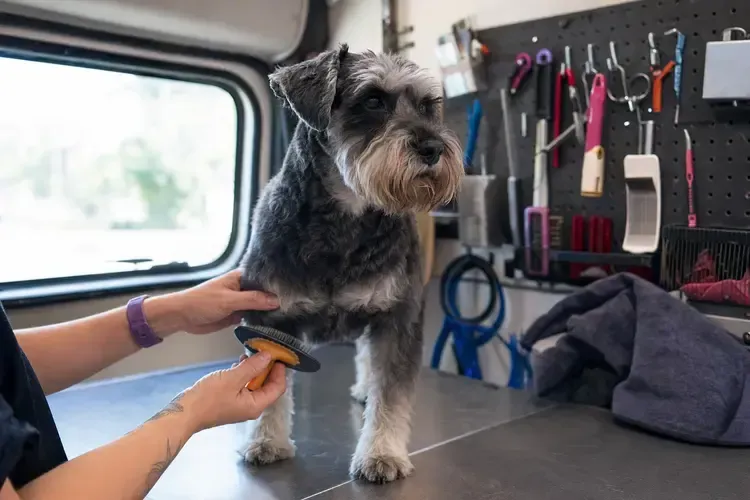
Peanut, the Yorkie from the top, comes in every six weeks now. Twelve-minute sessions on average. His owner drives past a grooming shop on the way to work every day and has never once considered switching back.