
Top 12 Most Popular Hound Dog Breeds Around the World
Hound dog breeds are celebrated for their incredible sense of smell, stamina, and tireless work ethic. These dogs have been bred for centuries for hunting, tracking, and guarding, which makes them highly skilled and versatile. What sets hound breeds apart is their strong loyalty, intelligence, and playful nature, making them wonderful companions for active families, individuals, and even professional hunters. And since many of these dogs love outdoor adventures, regular care from a mobile dog groomer helps keep their coats clean and healthy after long days of exploring.
In this guide, we’ll introduce you to the best hound dog breeds that have won the hearts of dog lovers all over the world. From the tiny Beagle to the majestic Greyhound, these dogs come in all shapes and sizes, but they all share the same incredible abilities and loving nature. Whether you're looking for a dog with hunting instincts or a loyal companion, this list will guide you toward the perfect breed for your home.
1. Beagle
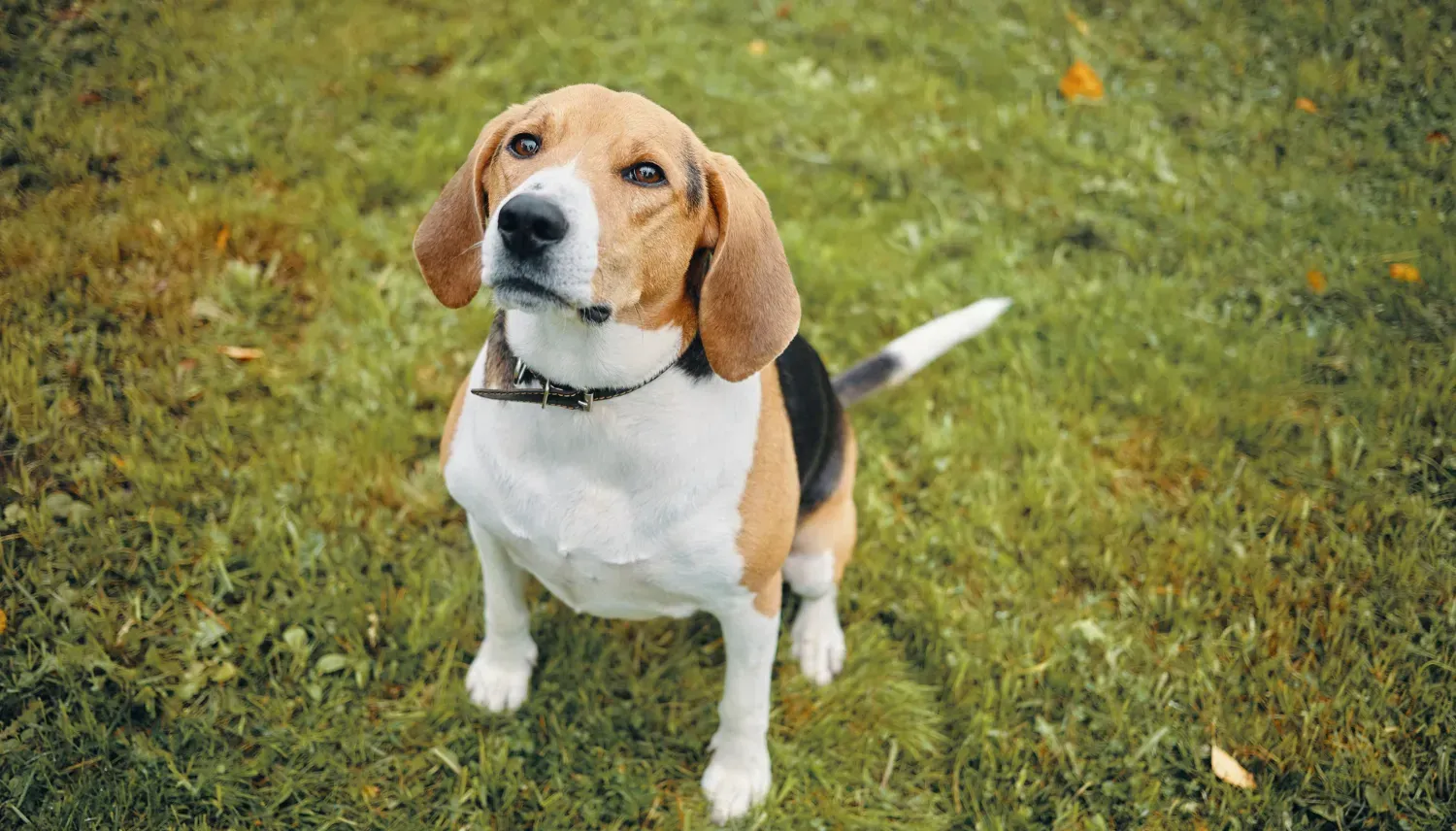
The Beagle is one of the most popular and well-loved hound dog breeds. Known for its adorable appearance, the Beagle has large, expressive eyes and a sleek, muscular body. These dogs are energetic, friendly, and social, making them excellent companions for families with children. Beagles were originally bred for hunting and are still highly skilled trackers, thanks to their powerful sense of smell.
While they are generally easygoing, their curiosity and independent nature can sometimes lead them into mischief, as they tend to follow their noses. Beagles require regular exercise, including walks and playtime, to burn off their energy. Despite their hunting instincts, they are gentle and affectionate, especially when interacting with family members and other pets.
2. Greyhound
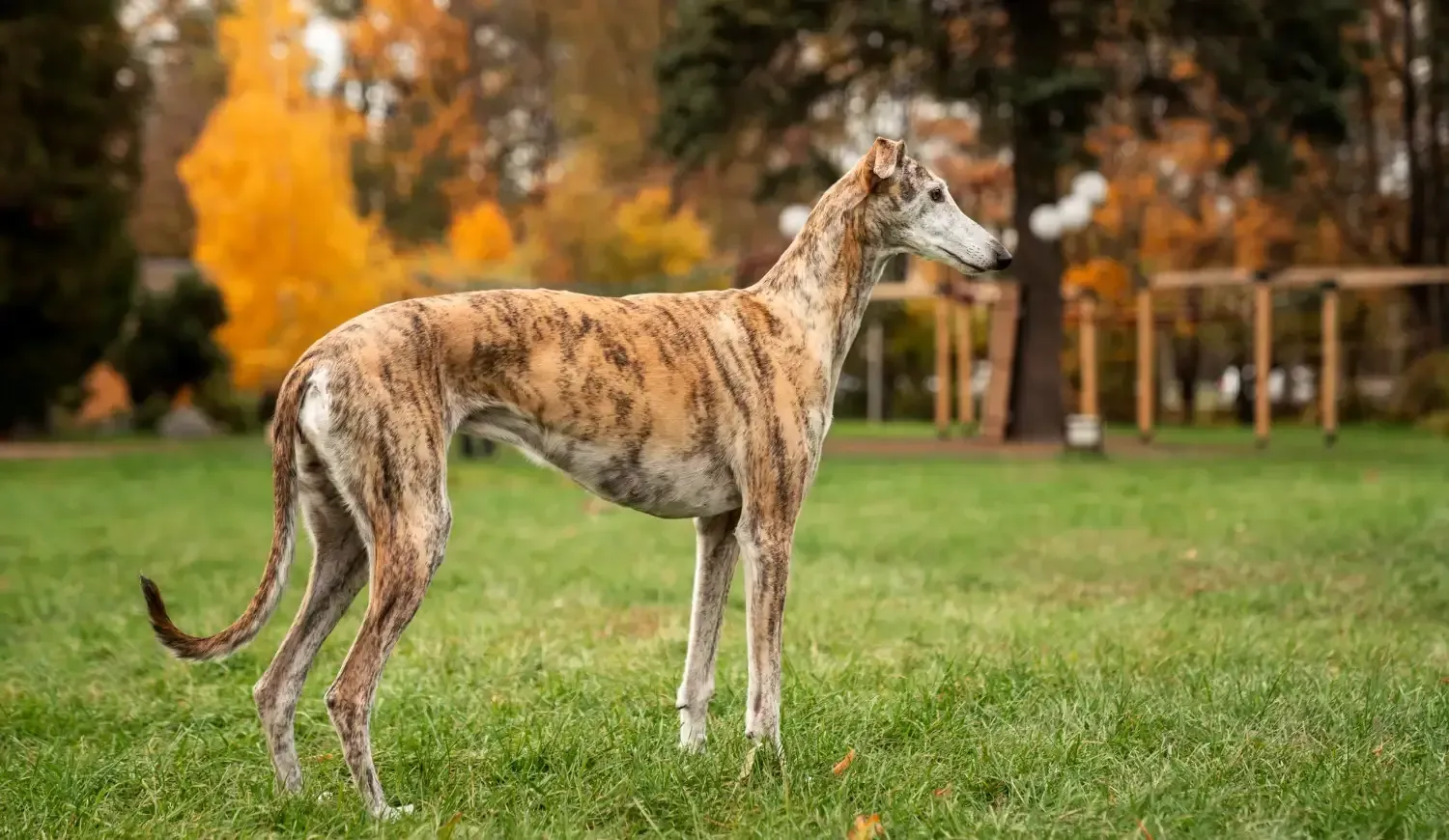
The Greyhound is perhaps one of the most elegant hound breeds, known for its incredible speed and grace. These dogs were bred for racing, capable of reaching speeds up to 45 miles per hour, but despite their athletic build, Greyhounds are surprisingly gentle and calm. They have a quiet, reserved nature and are known for their affectionate bond with their families.
Greyhounds are often described as "couch potatoes" because they love lounging around the house after getting their bursts of exercise. They are easy to groom, and although they enjoy running, they don't require as much daily exercise as one might expect. Due to their calm demeanor, Greyhounds are great for families and individuals who enjoy a peaceful and loving companion.
3. Dachshund
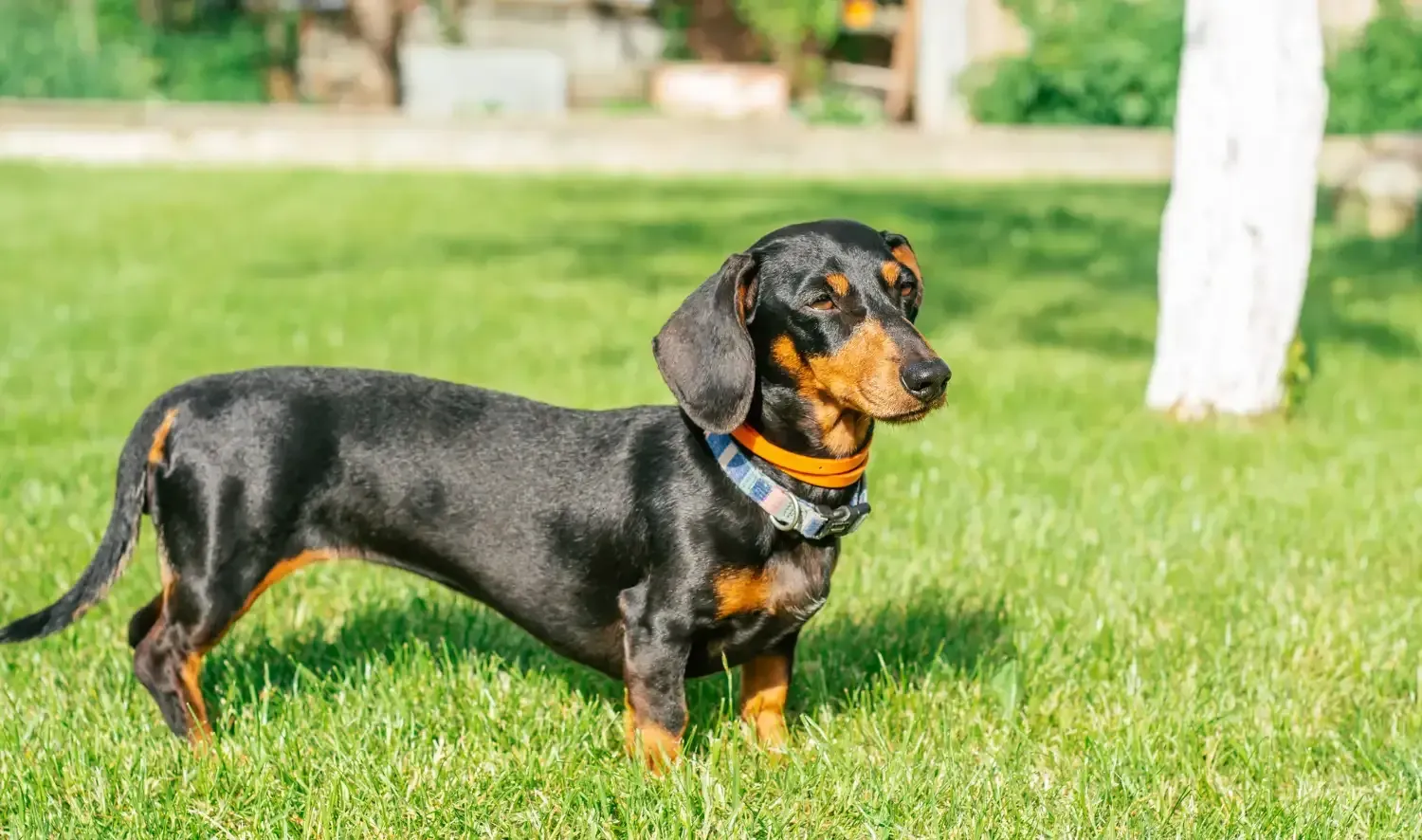
The Dachshund, with its signature long body and short legs, is an instantly recognizable hound breed. Often called "wiener dogs," Dachshunds have an independent, confident, and curious personality. These dogs were originally bred to hunt small animals, like badgers and rabbits, and they retain their strong hunting instincts. Despite their small size, they are brave and eager to explore, which can sometimes get them into trouble if they’re not properly trained.
Dachshunds are loyal and affectionate, particularly toward their families, and they tend to bond strongly with their owners. They enjoy regular playtime and short walks, but they are also happy to snuggle up on the couch. Their fun-loving and quirky personalities make them a popular choice for families.
4. Bloodhound
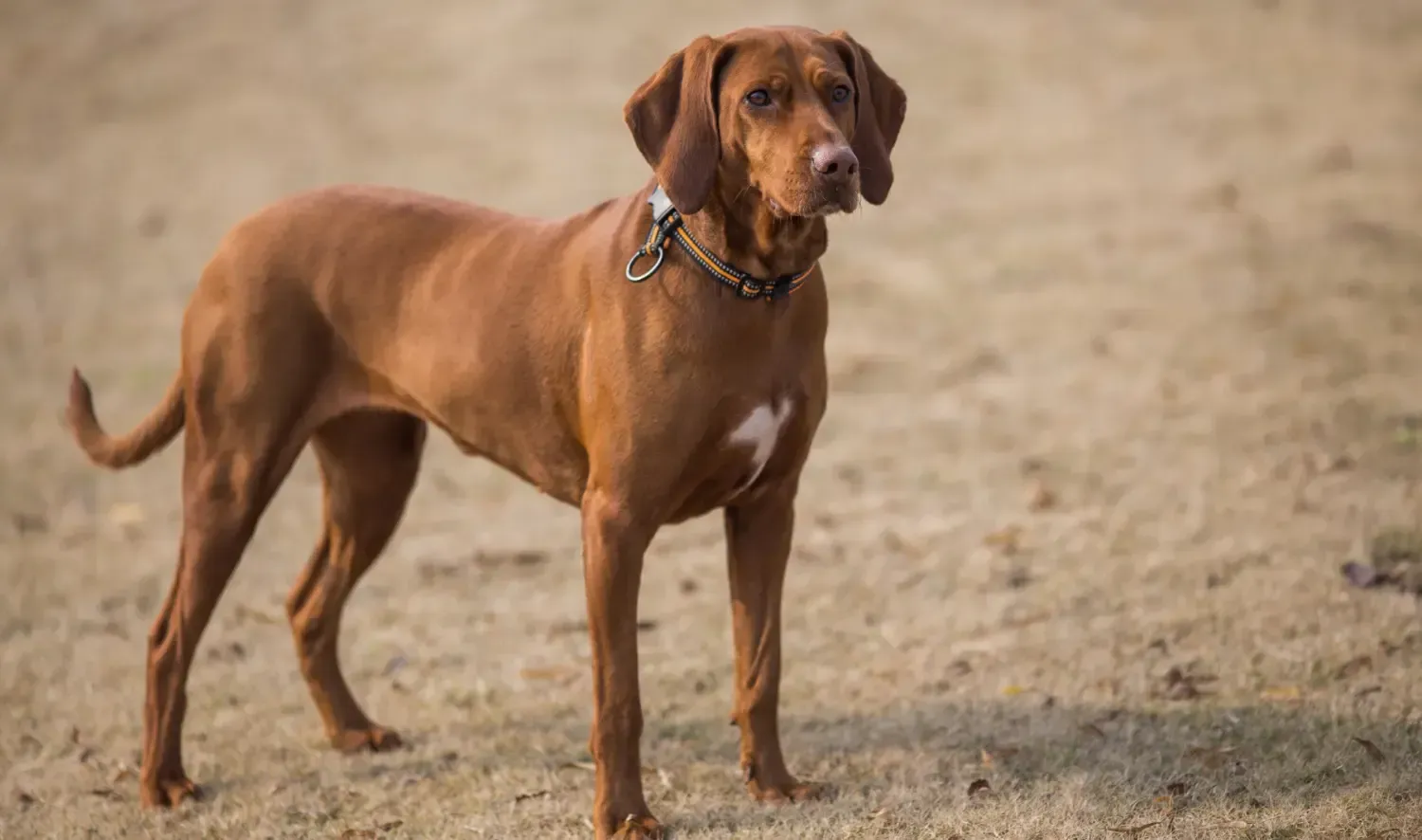
The Bloodhound is a true master of scent tracking. Known for its remarkable sense of smell, the Bloodhound can track scents that are days old, making it an invaluable asset in search-and-rescue missions. Despite their reputation for being highly skilled hunters, Bloodhounds are also affectionate and gentle with their families. These dogs are often calm and laid-back, but they need regular exercise to keep them mentally and physically healthy.
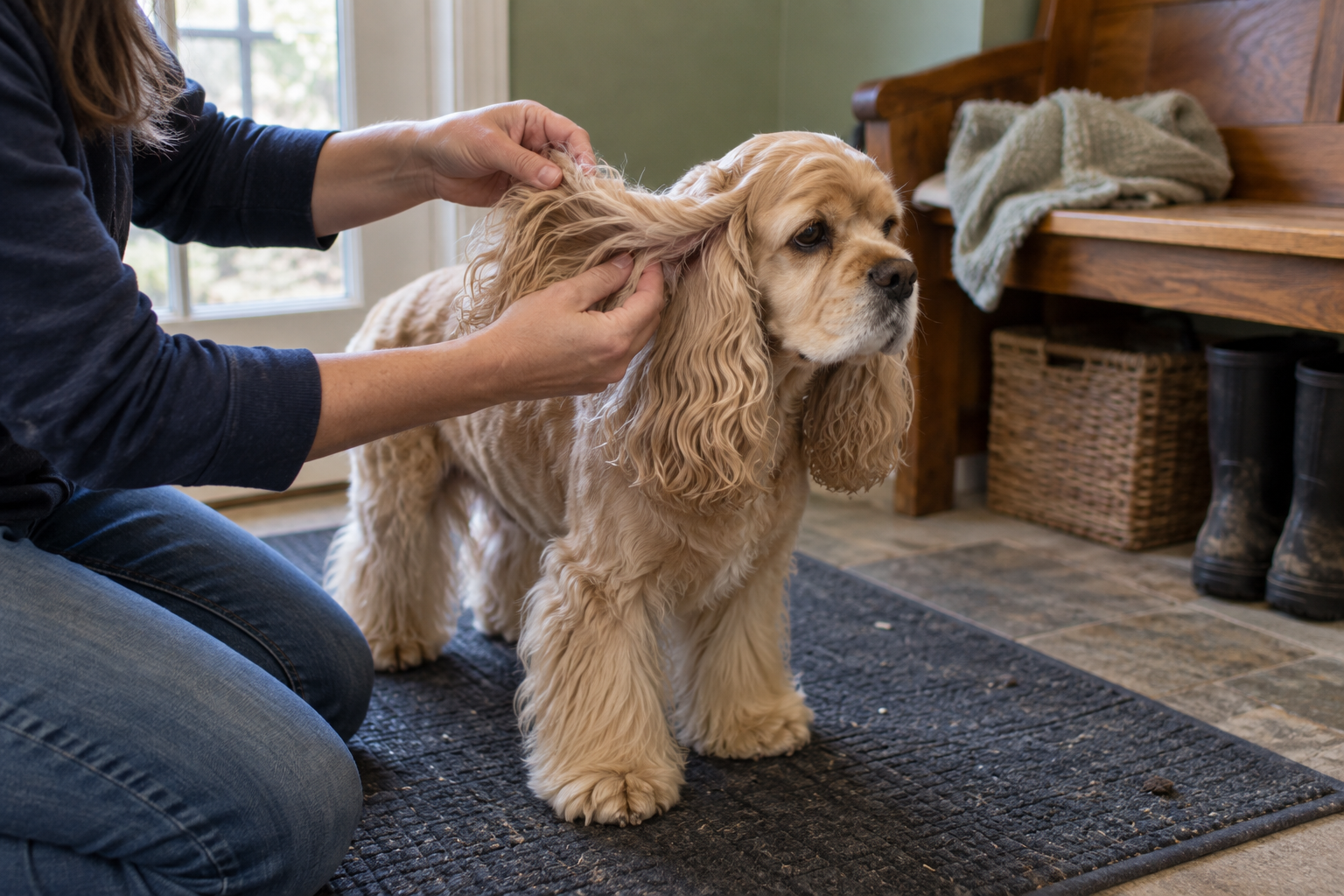
Bloodhounds are friendly and social dogs, but their strong prey drive means they must be carefully trained and kept on a leash when outdoors. Their droopy ears and long face give them a unique, soulful appearance that adds to their charm. Those long, pendulous ears are also a known trap for moisture and debris, making professional ear cleaning an important part of Bloodhound care.
5. Coonhound
The Coonhound is a group of hound breeds known for their strong hunting instincts and endurance. These dogs were originally bred to track raccoons and other small game, and they have excellent stamina, which makes them great companions for those who enjoy outdoor activities. Coonhounds are intelligent, but they can also be independent and stubborn, so they require consistent training and socialization.
They are friendly and affectionate with their families, and their gentle nature makes them good with children. However, their strong hunting drive means they may not always get along with small pets. Coonhounds enjoy long walks, runs, and outdoor adventures, and they thrive in homes with ample space to roam.
6. Basenji
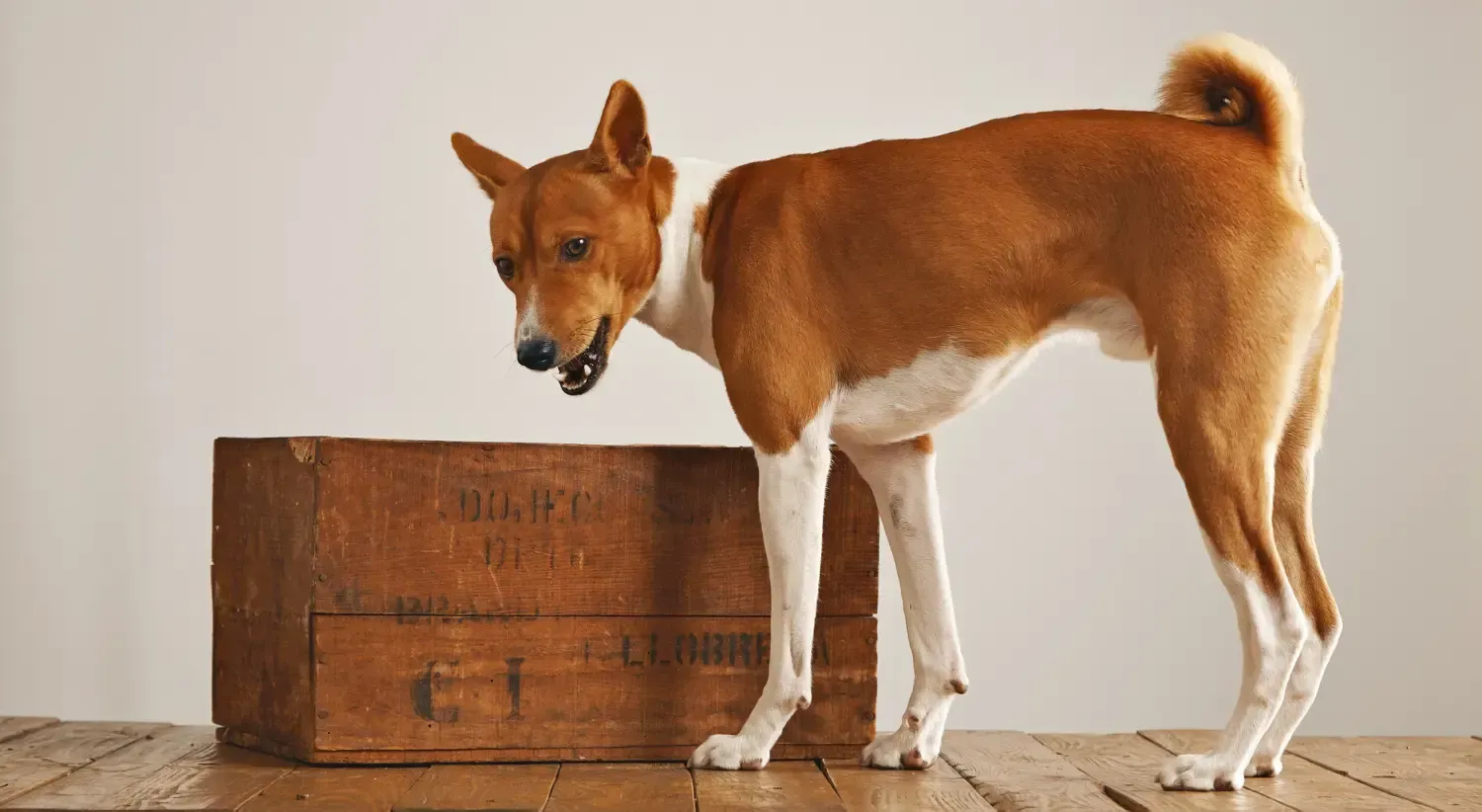
The Basenji is often referred to as the "barkless dog" because of its unique yodel-like sound, which is more of a "baroo" than a traditional bark. Originally bred in central Africa for hunting, Basenjis are highly independent and intelligent dogs. They are known for their sleek, elegant appearance, with a tightly curled tail and alert, inquisitive expression.
Basenjis are low-maintenance dogs with minimal grooming needs, and they are typically clean dogs, often grooming themselves meticulously. While they are generally affectionate, Basenjis can be aloof with strangers and require consistent socialization. Their strong hunting instincts mean they need regular exercise and a secure environment to prevent them from chasing smaller animals.
7. Whippet
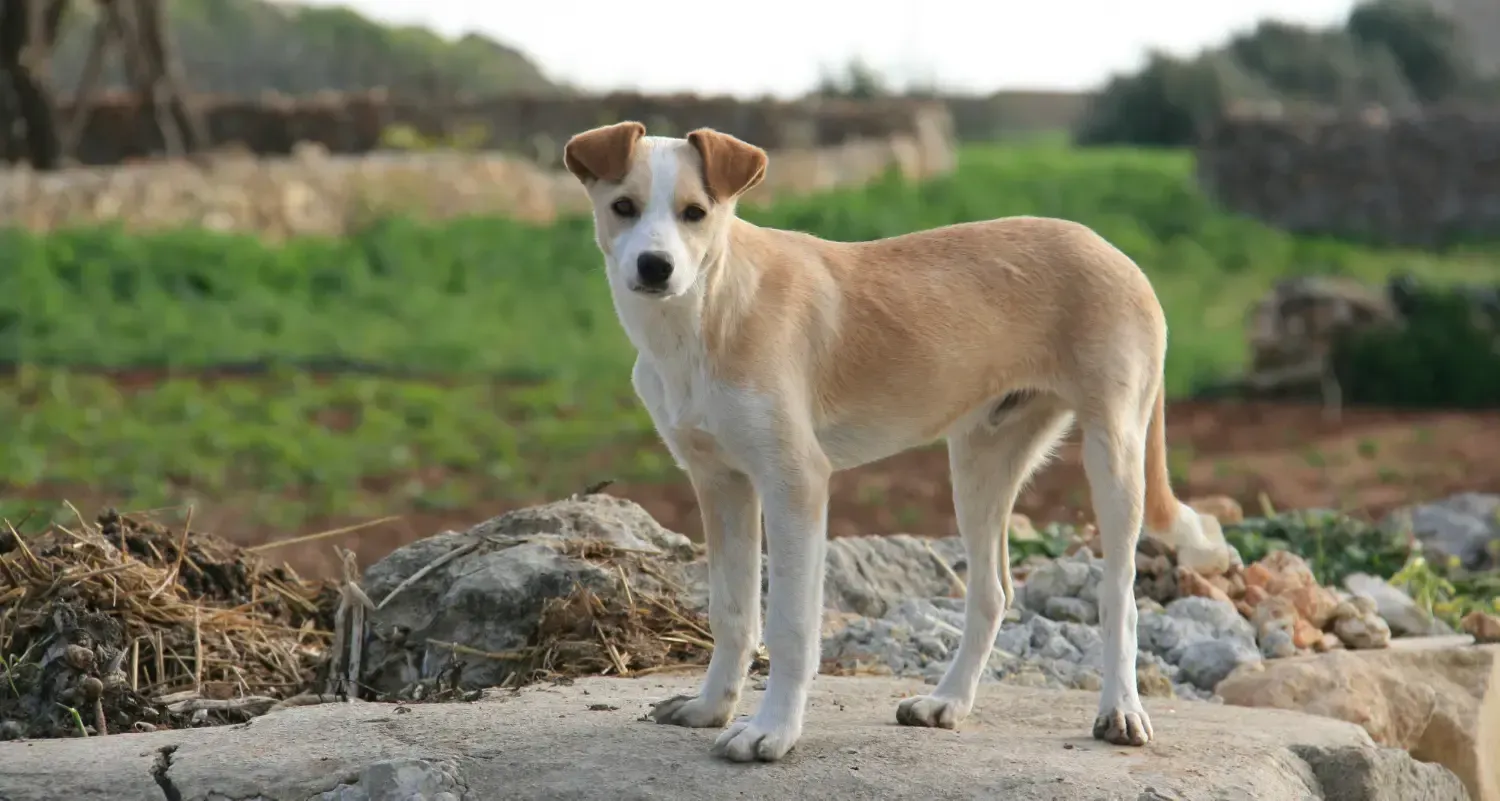
The Whippet is a small to medium-sized hound breed that shares a similar build and speed to the Greyhound. Known for its athleticism and speed, Whippets can reach up to 35 miles per hour, though they are more laid-back and calm when not running.
These dogs are affectionate and love being with their families, but they are also known for being independent and slightly reserved. Whippets have a gentle nature and are great with children, making them an ideal choice for families. Their short coat requires little grooming, but they do need regular exercise to stay healthy. Despite their fast-paced nature, Whippets enjoy curling up in a cozy spot to relax after their exercise sessions.
8. Saluki
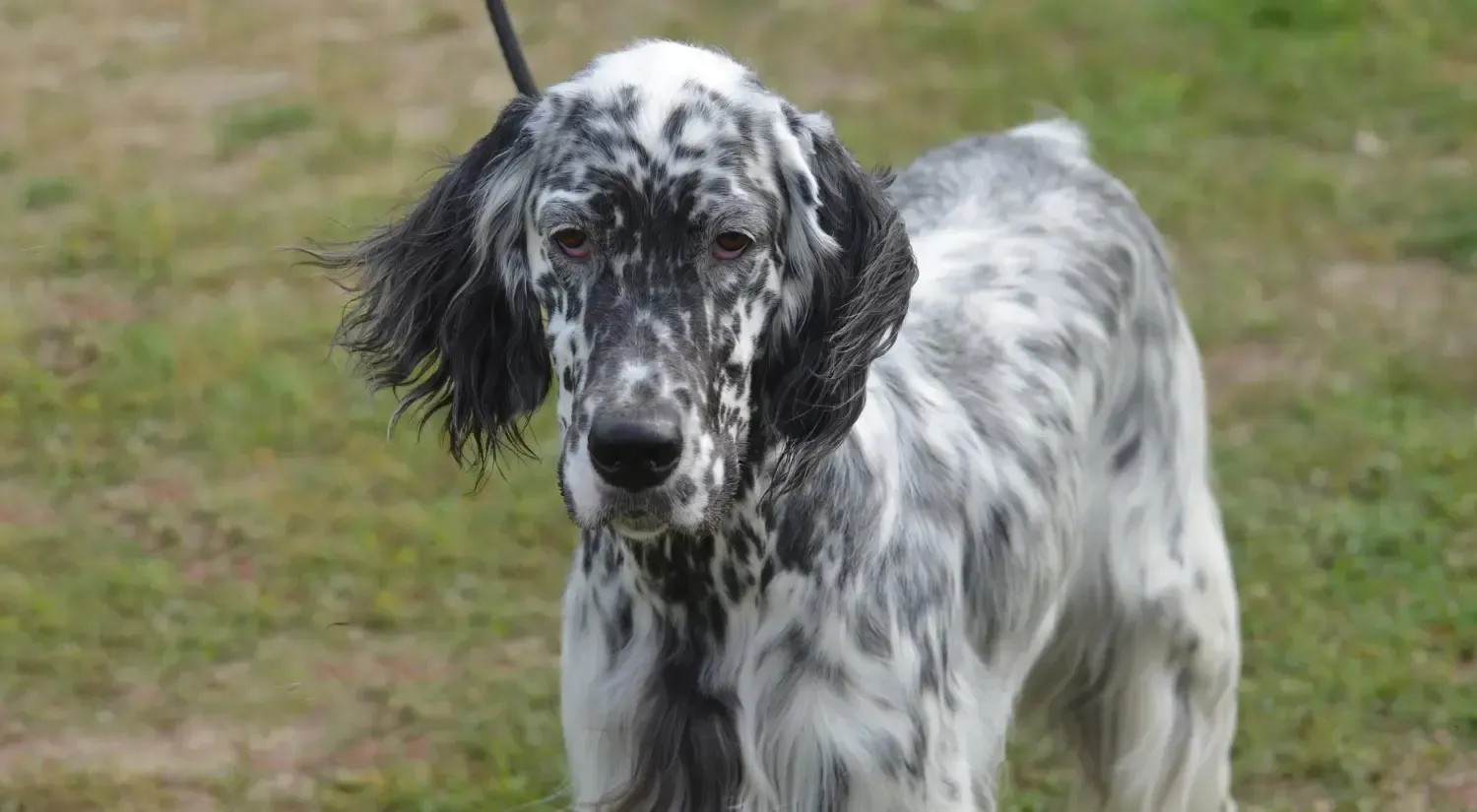
The Saluki is an ancient breed that was originally bred in the Middle East for hunting game. Known for its graceful appearance and athletic build, the Saluki is one of the oldest dog breeds in the world. These dogs are independent, intelligent, and dignified, with a calm demeanor that makes them excellent companions.
Salukis are highly affectionate with their families, but their independent nature means they can be aloof with strangers. They are very fast and enjoy outdoor activities like running, hiking, and playing in open spaces. Due to their sleek, long coat, they do require regular grooming to keep them looking their best — a moisturizing coat care treatment helps maintain the silky texture that defines the breed.
9. Afghan Hound
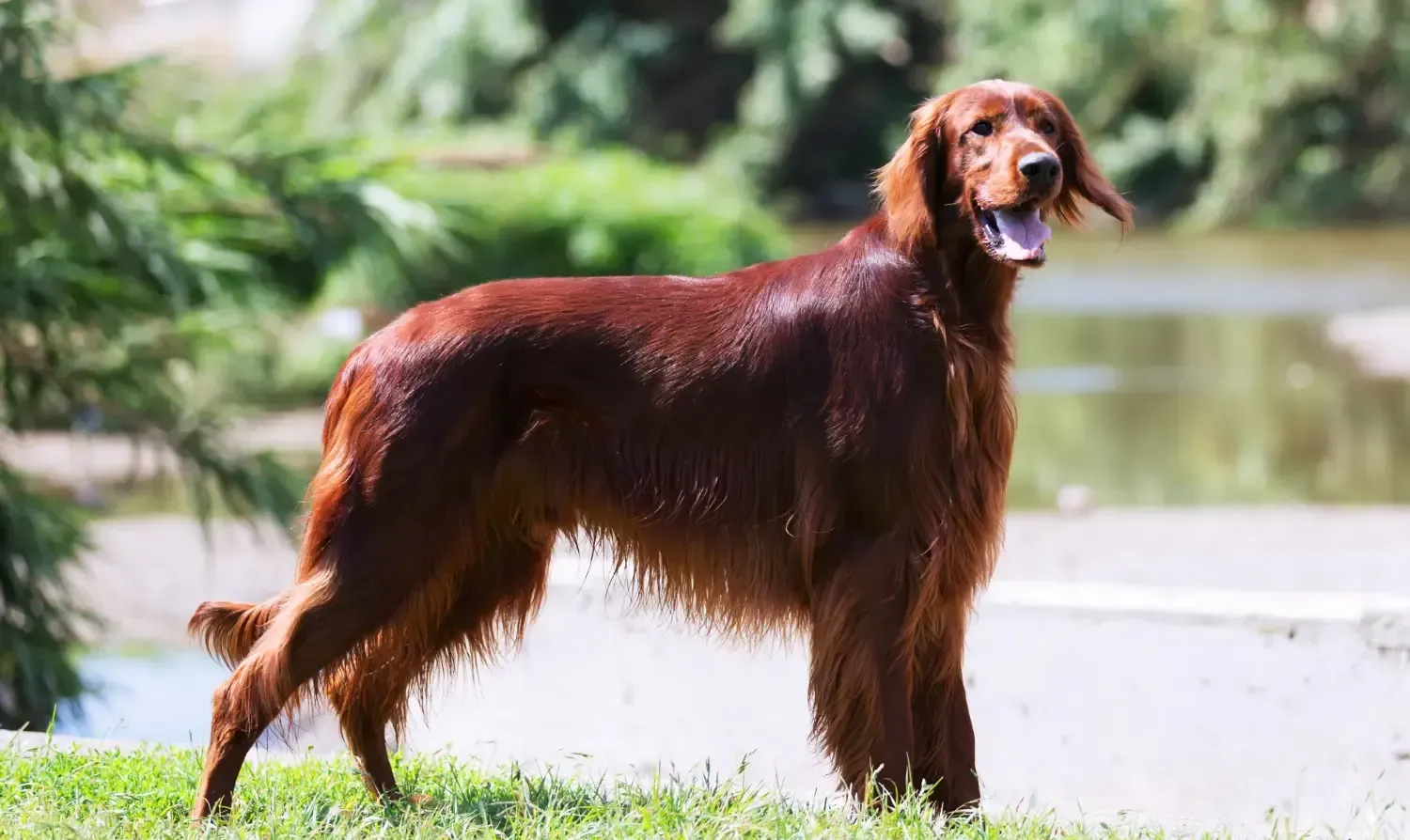
The Afghan Hound is a regal and elegant breed known for its long, flowing coat and aristocratic appearance. These dogs were originally bred for hunting in the mountains of Afghanistan, and they are known for their speed and agility. Despite their noble looks, Afghan Hounds are surprisingly independent and can be a bit aloof, but they are loyal and affectionate with their families.
Afghan Hounds require regular grooming due to their long, silky coats — including a professional dog bath followed by careful drying to prevent tangling — and need ample space to run and exercise. While they can be challenging to train due to their independent nature, they are calm and gentle once they form a strong bond with their owners.
10. American Foxhound
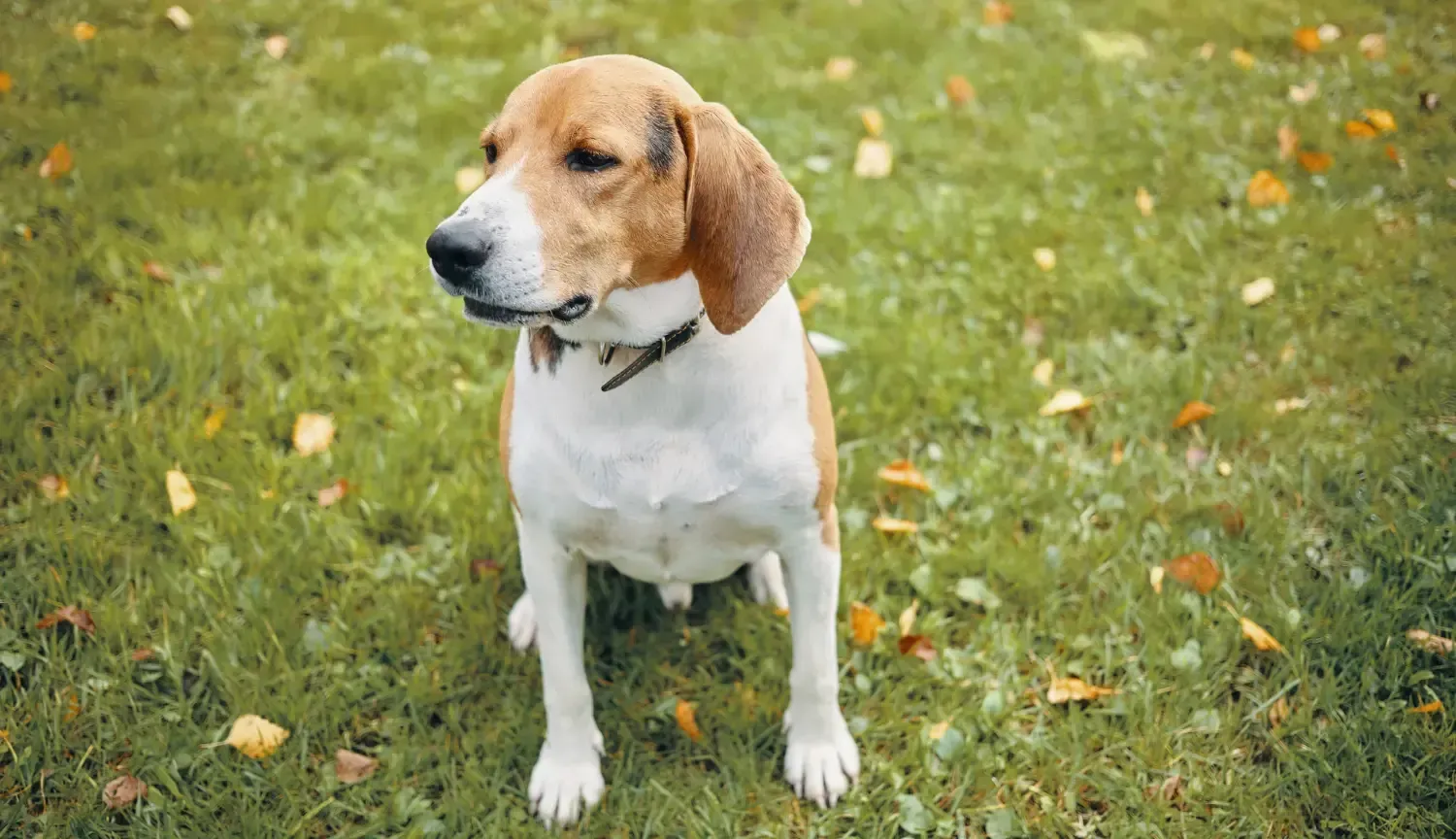
The American Foxhound is a larger hound breed that was originally bred to hunt foxes. These dogs are known for their stamina, endurance, and strong sense of smell. American Foxhounds are friendly, loyal, and great with children, making them an excellent choice for families who enjoy outdoor activities. They are active and require plenty of exercise to burn off their energy. Although they are easygoing and affectionate, they do need consistent training due to their independent nature and strong prey drive. These dogs thrive in homes with large yards or access to open spaces.
11. Jack Russell Terrier
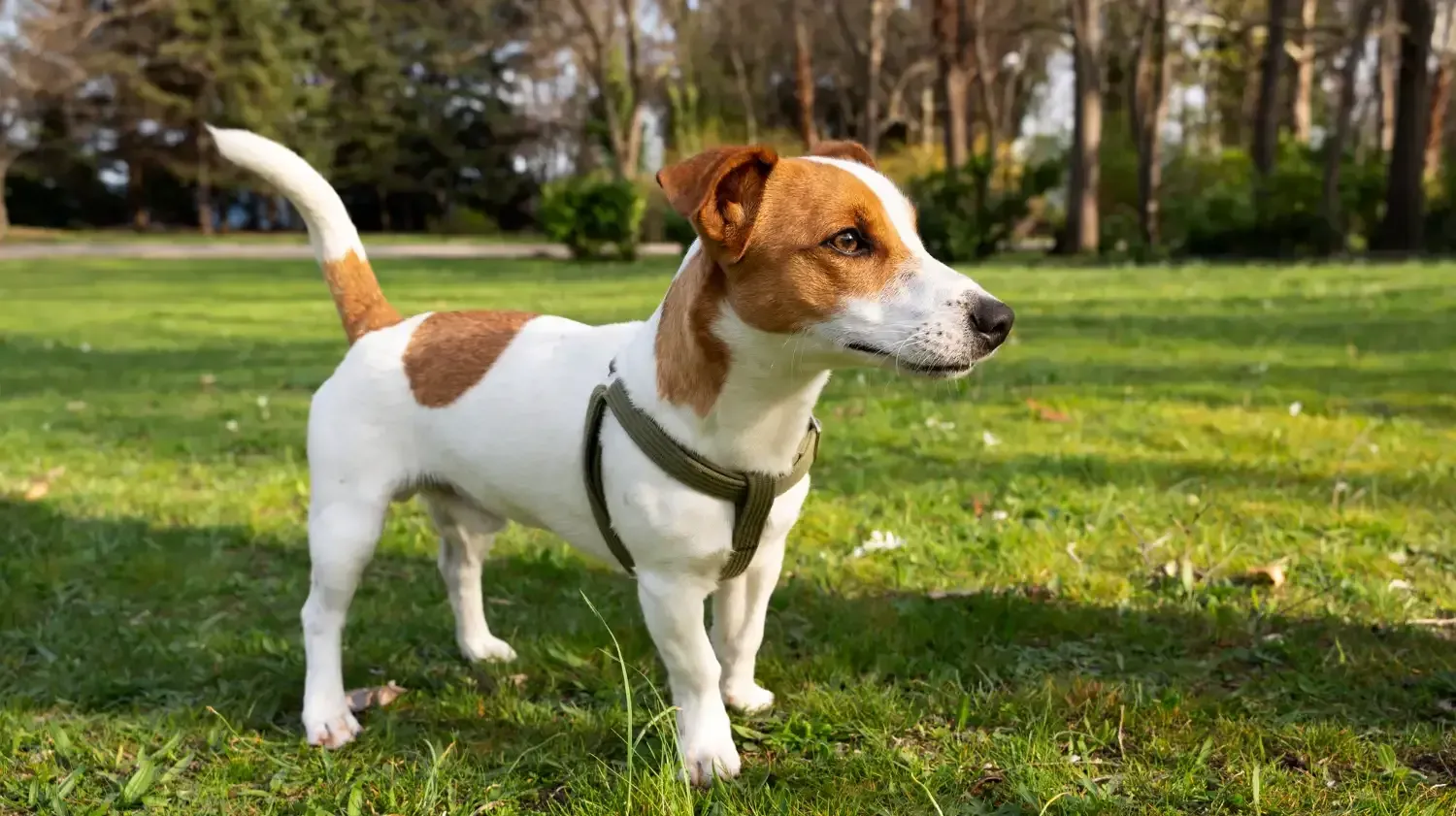
The Jack Russell Terrier is a small but spirited hound breed, known for its lively personality and boundless energy. Originally bred to hunt foxes, Jack Russells are fearless and intelligent, with an instinctual drive to chase and explore. They are great for active families who can provide them with plenty of exercise and mental stimulation.
While they are very affectionate and form strong bonds with their owners, they can be stubborn and independent, so early training and socialization are essential. Jack Russells make excellent pets for those who want a playful, energetic companion.
12. Irish Wolfhound
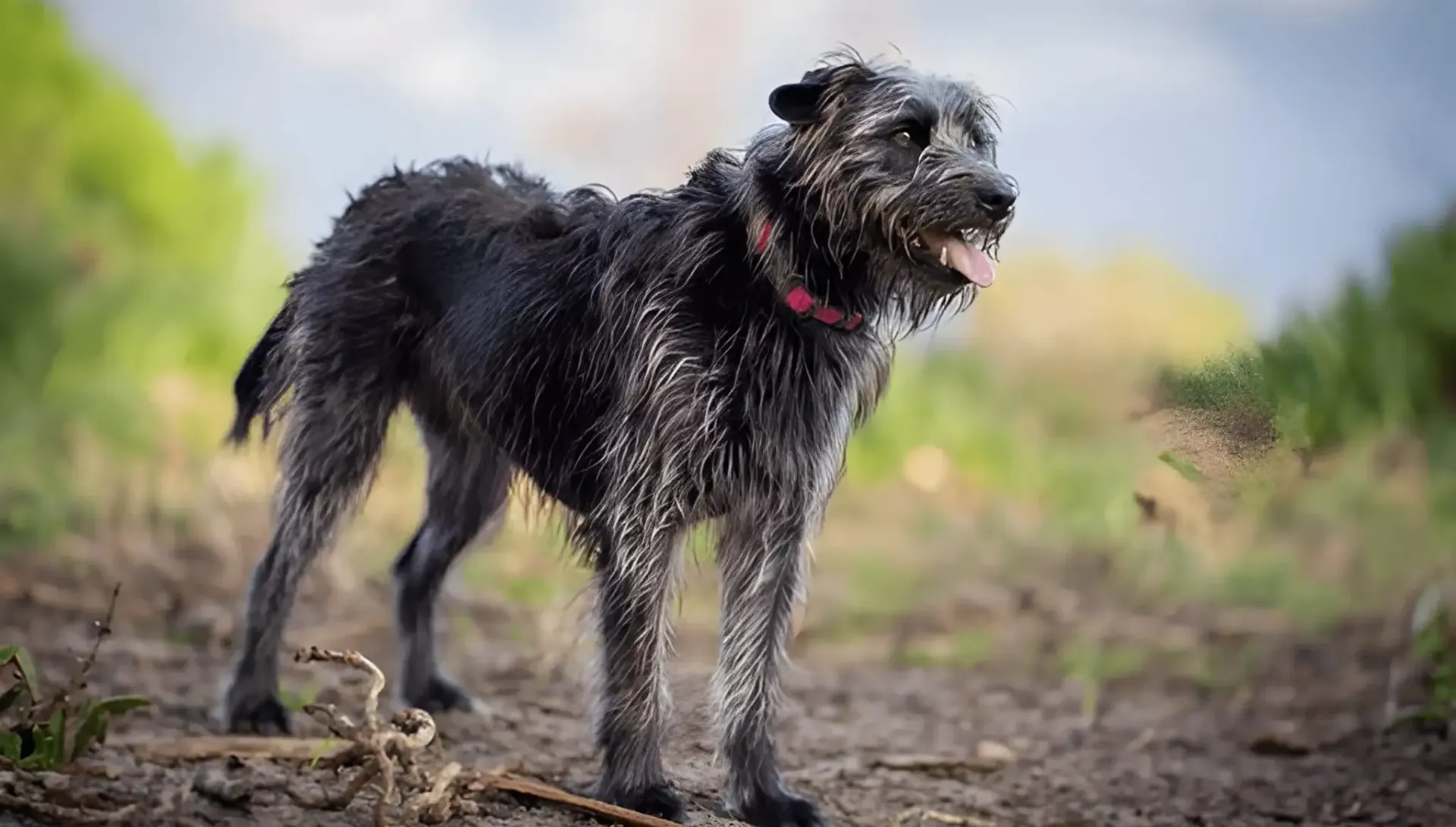
The Irish Wolfhound is a giant hound breed known for its impressive size and calm demeanor. Despite their intimidating appearance, Irish Wolfhounds are incredibly gentle and affectionate, making them excellent companions for families. These dogs are great with children and other pets, and they are known for their easygoing nature.
They were originally bred to hunt wolves, and their large size necessitates ample space for them to move around. Although they need regular exercise to stay fit, Irish Wolfhounds are generally low-energy indoors and enjoy lounging with their families.
Conclusion: Finding the Right Hound Dog for Your Family
Hound dog breeds are distinguished by their exceptional loyalty, intelligence, and keen hunting instincts. Whether you’re drawn to the athleticism of the Greyhound or the dignified presence of the Saluki, there’s a hound breed for every lifestyle. While these dogs may require some patience in training, their affectionate nature and incredible abilities make them rewarding companions. If you’re considering a hound dog, think about your living space, activity level, and training needs to find the perfect fit for your home.
For those with busy schedules, a mobile dog groomer can help keep your hound looking and feeling its best — from ear hygiene service and coat care to a complete grooming package tailored to your hound's specific needs, ensuring it stays healthy and comfortable for many years. Discover personalized grooming care tailored to your schedule and your dog’s unique needs. The right guidance can make all the difference.
FAQs About Hound Dog Breeds
What are the most common uses for hound dogs?
Hound dogs were originally bred for hunting and tracking game, but today, they are also used in search-and-rescue missions, as therapy dogs, and as loyal family companions.
Are hound dogs good with children?
Many hound breeds, like the Beagle and Bloodhound, are gentle and affectionate with children, making them great family pets. Proper training and socialization are key.
Do hound dogs require a lot of exercise?
Yes, most hound breeds are very active and need regular exercise to stay fit. However, the exercise requirements vary by breed, with some needing more space and activity than others.
Are hound dogs easy to train?
Hound dogs can be independent and stubborn, which may make training challenging. Early socialization and consistent training are essential to helping them become well-behaved companions.