
Flea Dirt on Dogs: How to Tell It From Ordinary Dirt
Quick version: press a damp white paper towel onto the specks. If they smear rust red, that is flea dirt, because it is mostly dried blood. If they stay grey or brown with no color bleeding out, it is regular dirt.
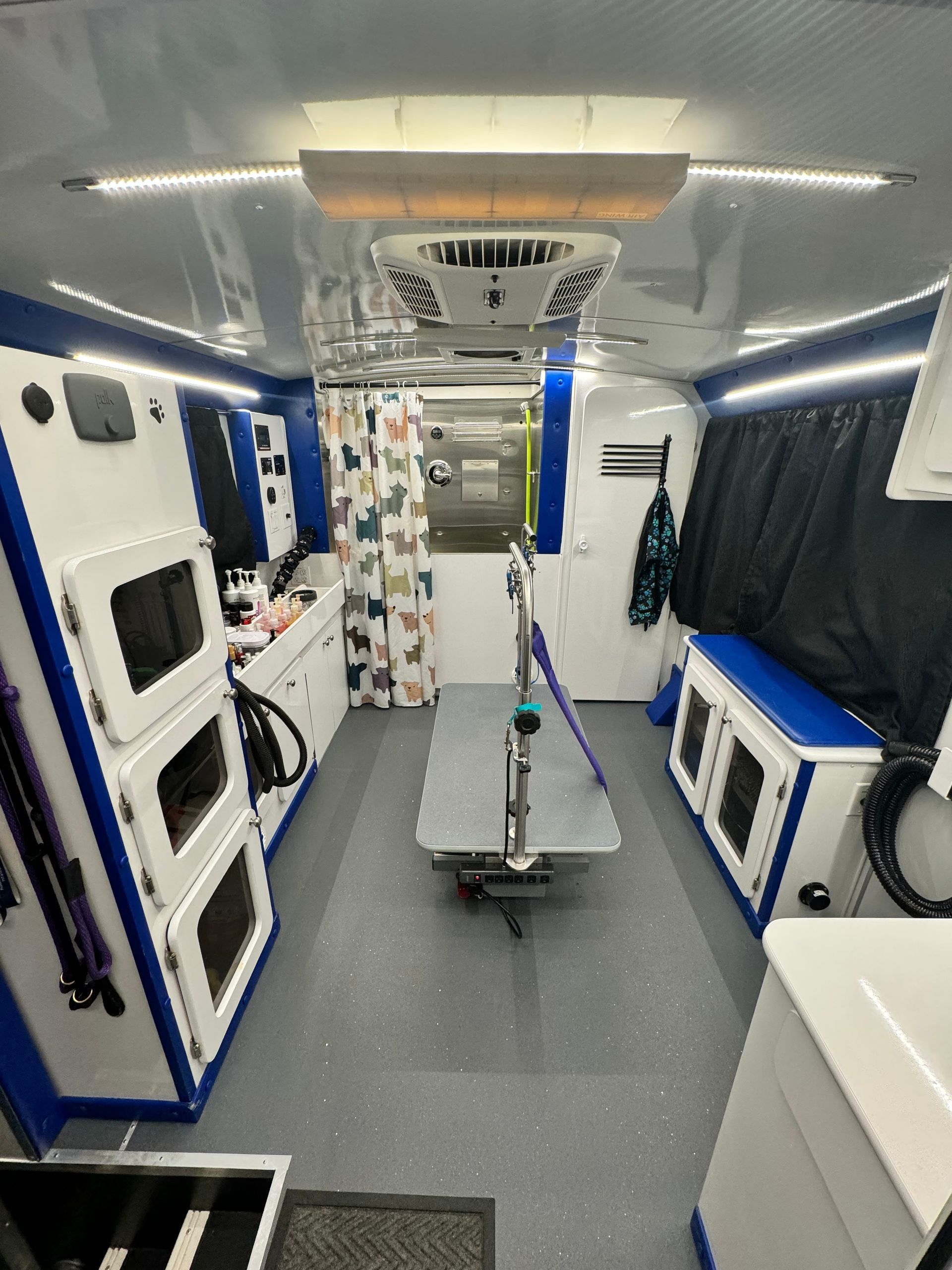
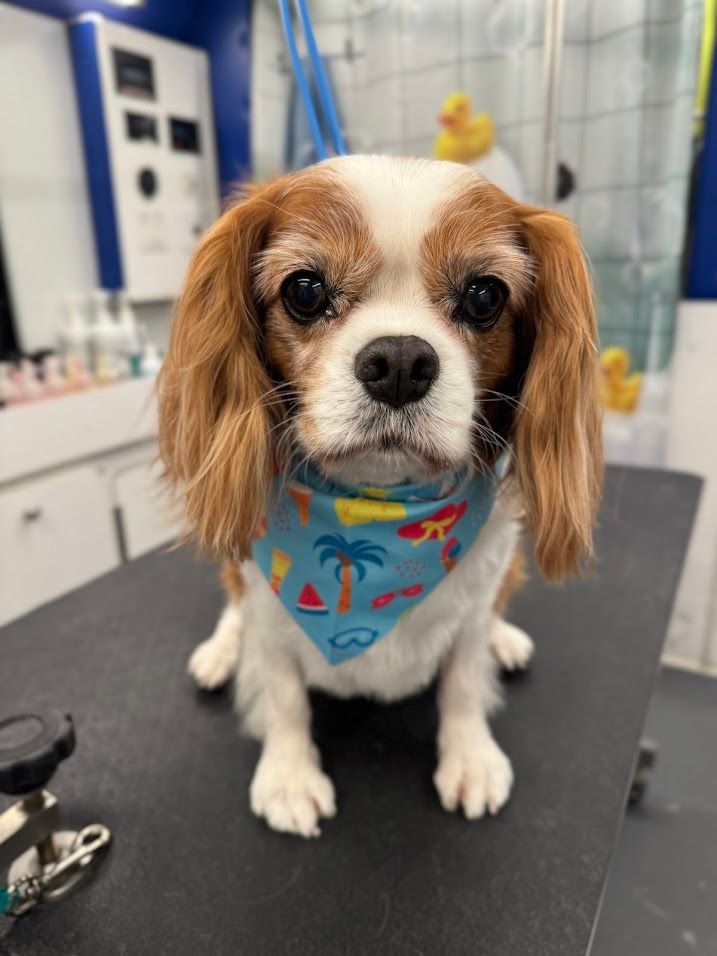
I groom dogs out of a van in people's driveways, so I get a very close look at a lot of coats. Flea dirt on dogs is one of the things owners ask me about most, usually while pointing at black specks near the tail. Some of the time it is soil from the yard. The rest of the time it is not, and there is a simple test that tells you which one you are looking at.
You do not need anything special for it. A white paper towel, a little water, and about five minutes with your dog somewhere with decent light.
What flea dirt actually is
Flea dirt is flea droppings. Fleas feed on your dog's blood, and what they leave behind in the coat is mostly dried blood. That is why it turns red when it gets wet, and it is the whole reason the test below works.
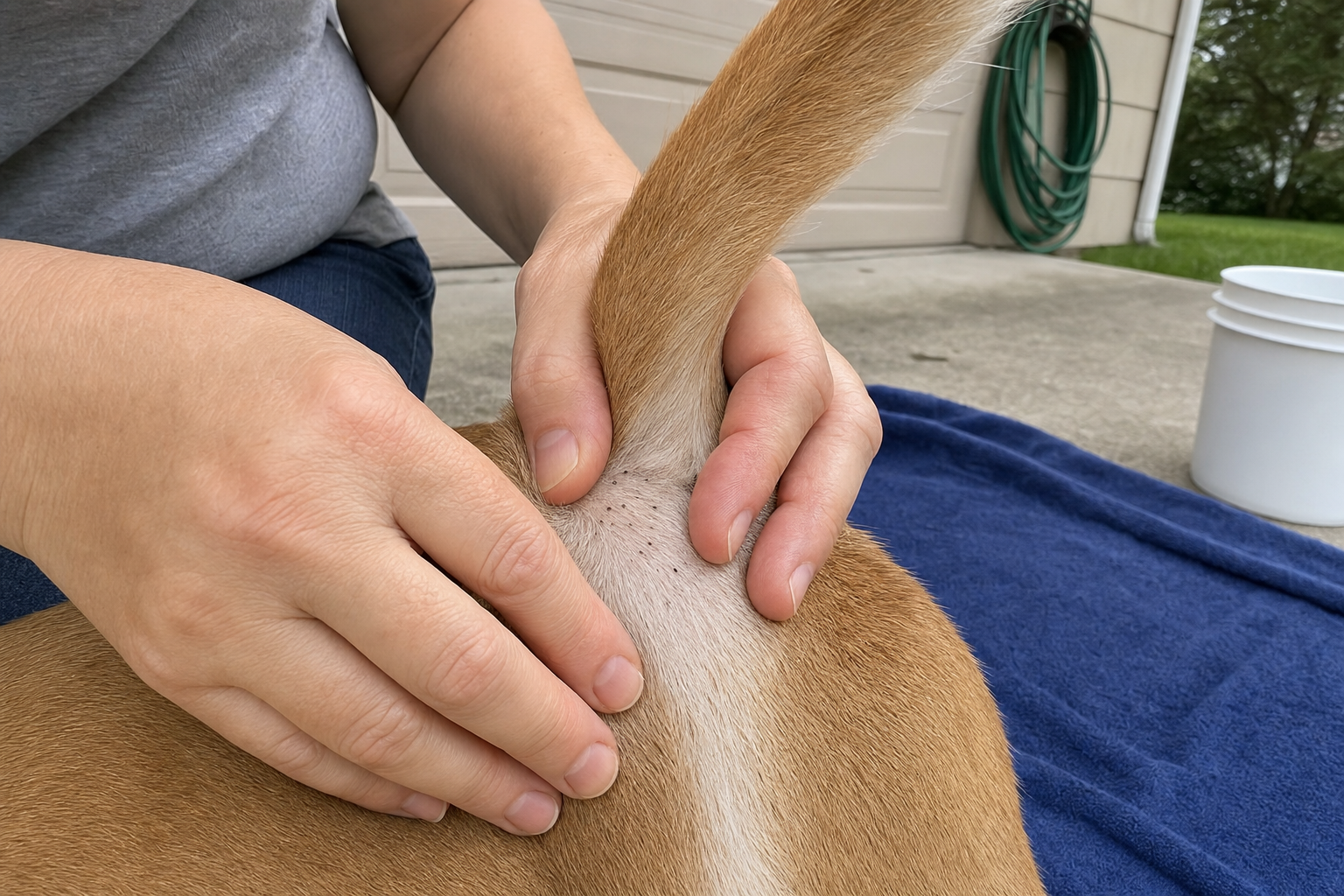
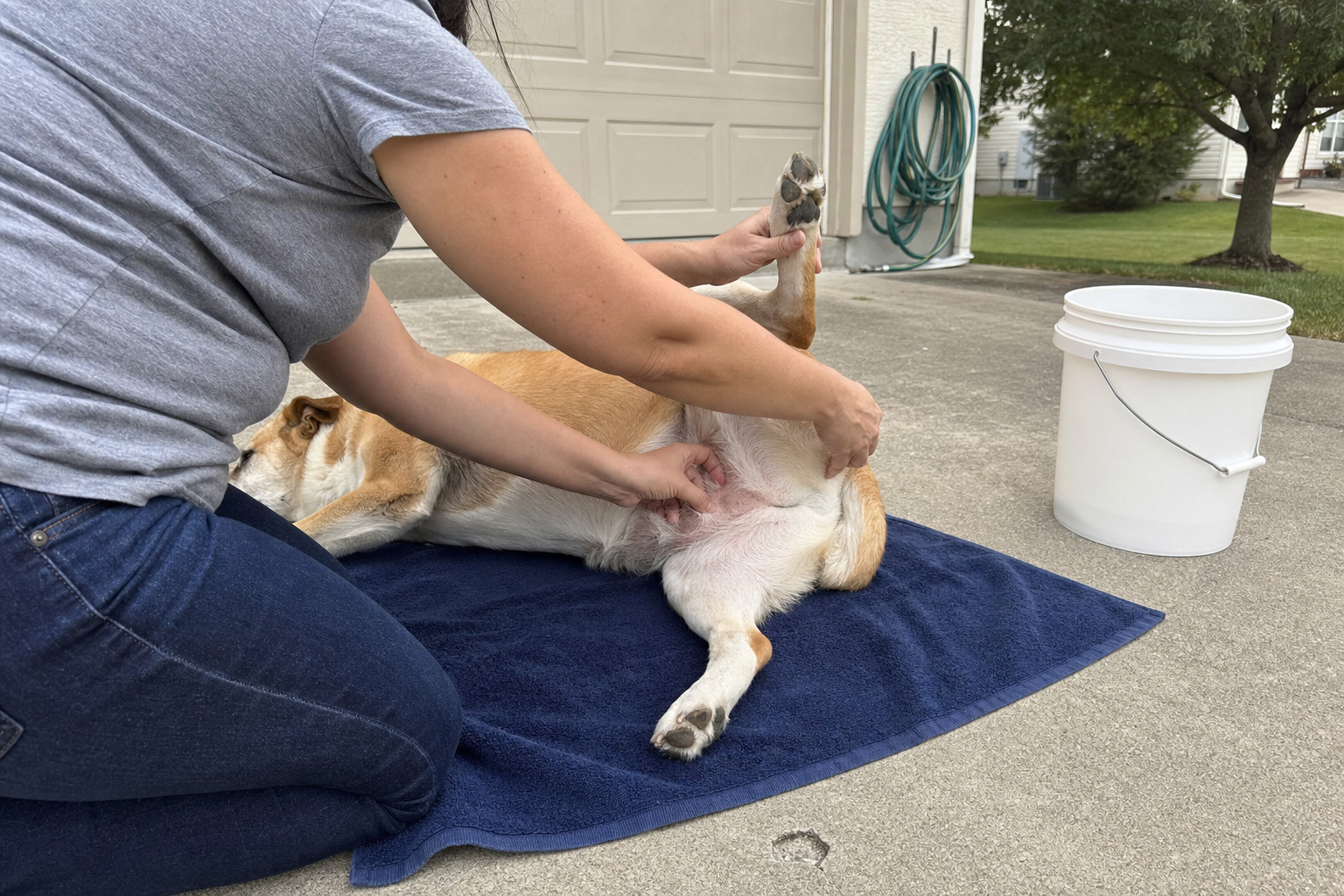
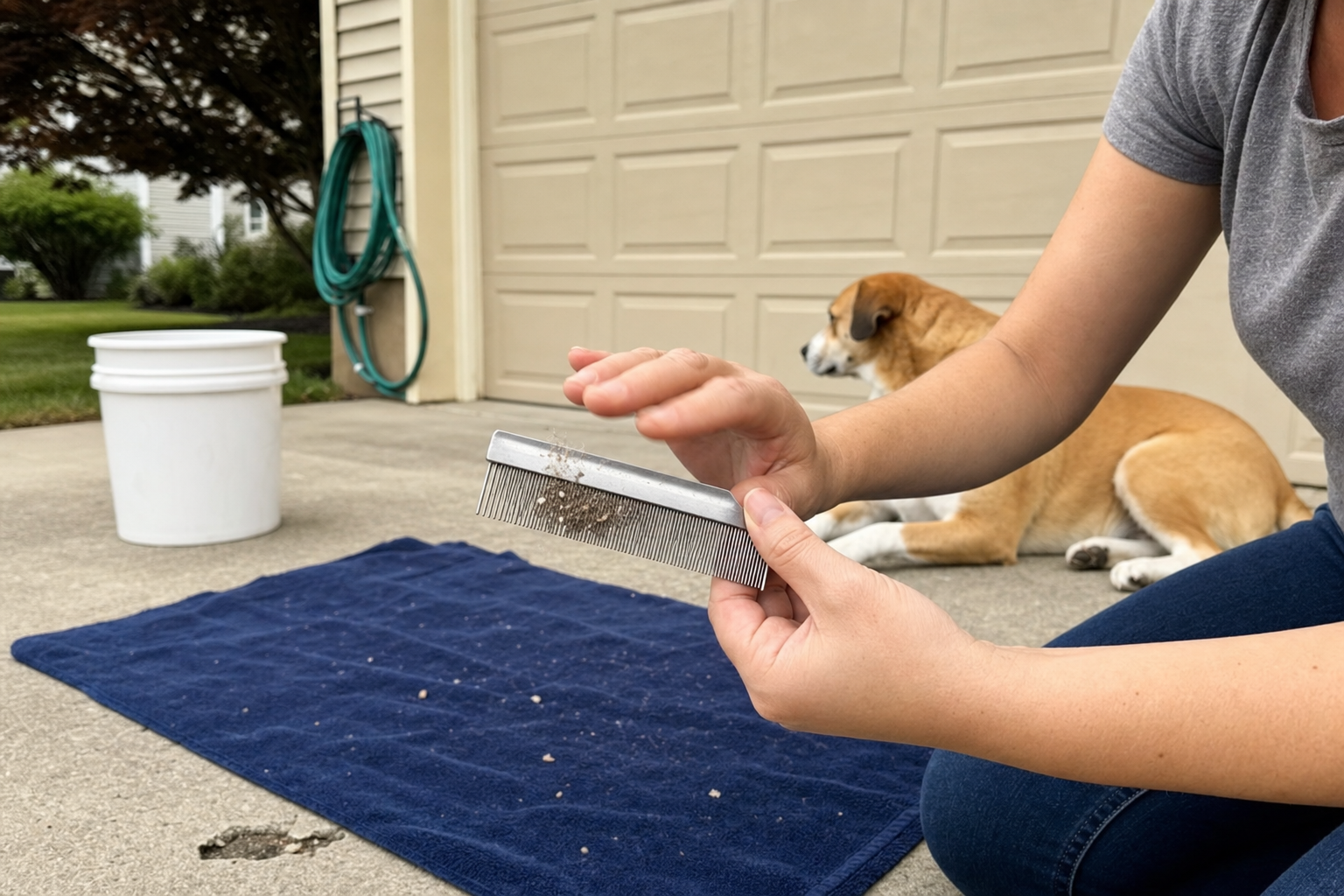
It looks like coarse black pepper or fine coffee grounds. The specks sit right down at the base of the hair, close to the skin, rather than out on the ends. Regular dirt tends to be spread through the whole coat and usually comes with bits of grass or sand mixed in.
Finding flea dirt means fleas have been feeding on your dog. You may never see an actual flea. They move fast, they hide, and on a dark coat they are very hard to spot. You will usually find the dirt before you find the flea.
The wet paper towel test
This is the test I use on the van, and it takes about a minute.
- Stand your dog somewhere with good light and put a light colored towel underneath so you can see what falls out.
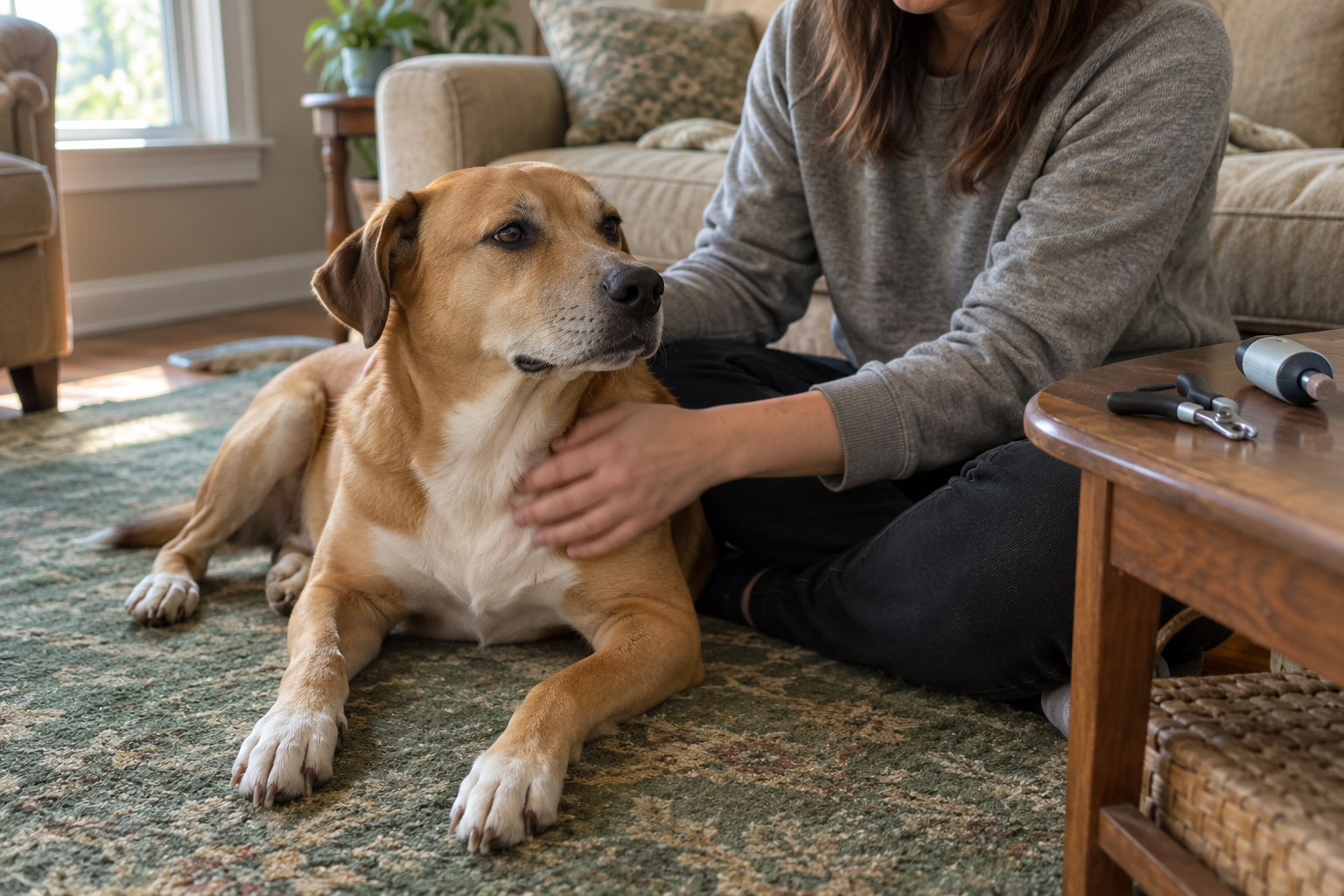
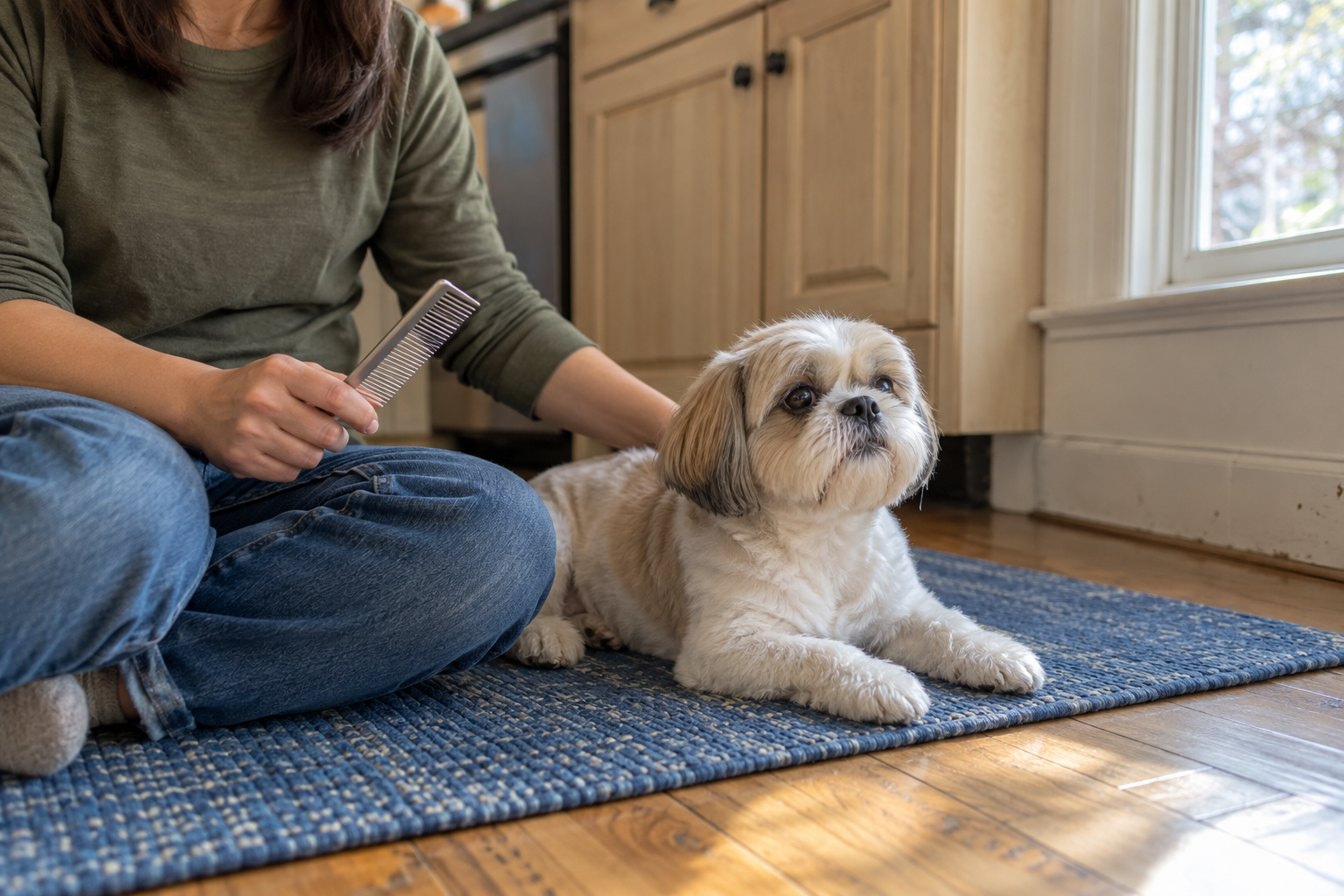
- Part the fur near the base of the tail and along the lower back, and work a few of the specks out onto the towel with your fingers or a fine comb.
- Wet a plain white paper towel so it is damp, not dripping.
- Press the damp paper towel down onto the specks and hold it there for a few seconds.
- Lift it and look. Rust red or reddish brown smears mean flea dirt. Grey, brown or black with no color spreading out means regular dirt.
The red comes from digested blood. Soil will not do that no matter how wet it gets.

Where to check first
Fleas do not spread evenly over a dog. They collect in the warm places where the coat is thin and your dog has a hard time reaching.
Start at the base of the tail and work along the lower back, because that is where I find it most. Then check the belly and the groin, the inside of the back legs, and under the collar. If your dog will let you, look in the armpits as well.
If the coat is long or tangled, you may not be able to get down to the skin at all. Fleas sit under mats, flea dirt sits under mats, and so does damp. If a comb will not go through, deal with the matted dog hair first, because you cannot check or treat skin you cannot reach.
Flea dirt, regular dirt and dandruff side by side
These three get mixed up constantly, because in a dark coat they all just look like specks. The color tells you which is which.
| What you see | Where it sits | Wet paper towel result | What it usually means |
|---|---|---|---|
| Fine black specks | Down at the skin, tail base and belly | Rust red smears | Flea dirt |
| Grey or brown grit | Spread through the coat, often with grass or sand | No color change | Yard dirt |
| White or pale flakes | On top of the coat and on the skin | Flakes stay pale | Dry skin or dandruff |
| Dark waxy crumbs | Only in and around the ears | No color change | Ear debris, worth a vet check |
| Dark specks that move | Anywhere, and they run when you part the fur | Not applicable | Live fleas |
Dandruff is the one people confuse with flea dirt most often. Flea dirt is dark and turns red. Dandruff is pale and stays pale.
What to do when the test comes back red
Fleas get worse around here through August and September, so late summer is when I see the most of this. If your paper towel came back red, work through the list below.
- Call your vet and ask what flea treatment they want your dog on. The right product depends on weight, age, and whether you have other pets in the house.
- Treat every pet in the house on the same day, not just the one that is scratching.
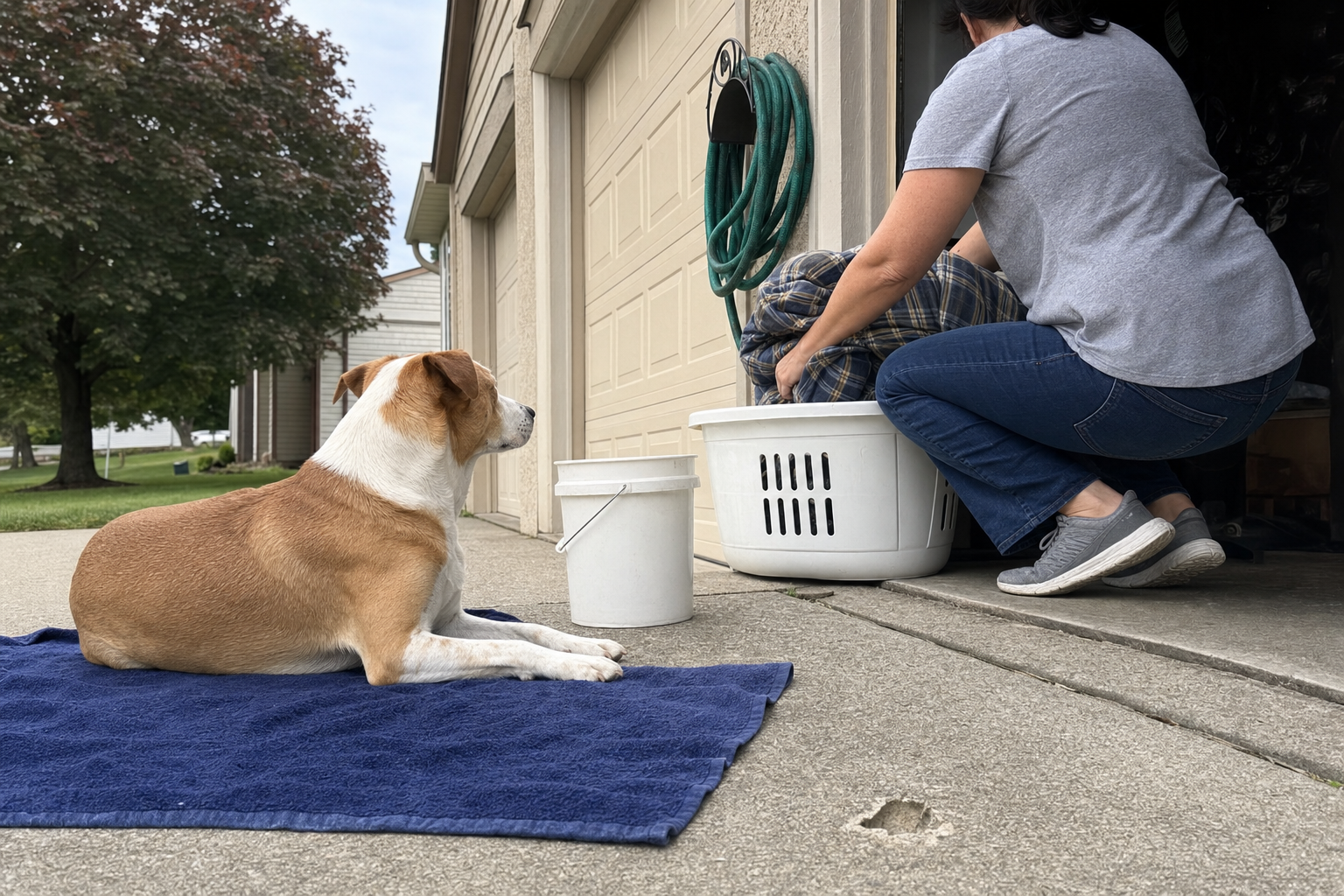
- Wash all the bedding your dog uses in hot water, including throws on the couch and anything in the car.
- Vacuum carpets, rugs and the edges of the rooms, then empty the vacuum outside right away.
- Keep doing the paper towel test once a week for the next month so you know it is actually clearing.
The house matters as much as the dog. Most of a flea population is eggs and larvae sitting in carpet and bedding, so treating the dog on its own tends to put you right back where you started a couple of weeks later.
We cover a wide stretch of Cumberland County and the towns around it, and dog groomers dillsburg pa and dog grooming camp hill pa show what we do on that side of the area. If you have found flea dirt, tell us when you book. We would rather know before the van pulls up.
What a bath does about fleas, and what it does not
A good bath washes off a lot of the adult fleas that are on your dog that day, and it clears the flea dirt out of the coat. That is worth doing, because the grit itself is itchy and your dog will be a lot more comfortable without it.
A bath will not solve a flea problem. It does nothing about the eggs in your carpet or the ones that hatch next week, and it gives your dog no protection going forward. Only a flea treatment from your vet does that.
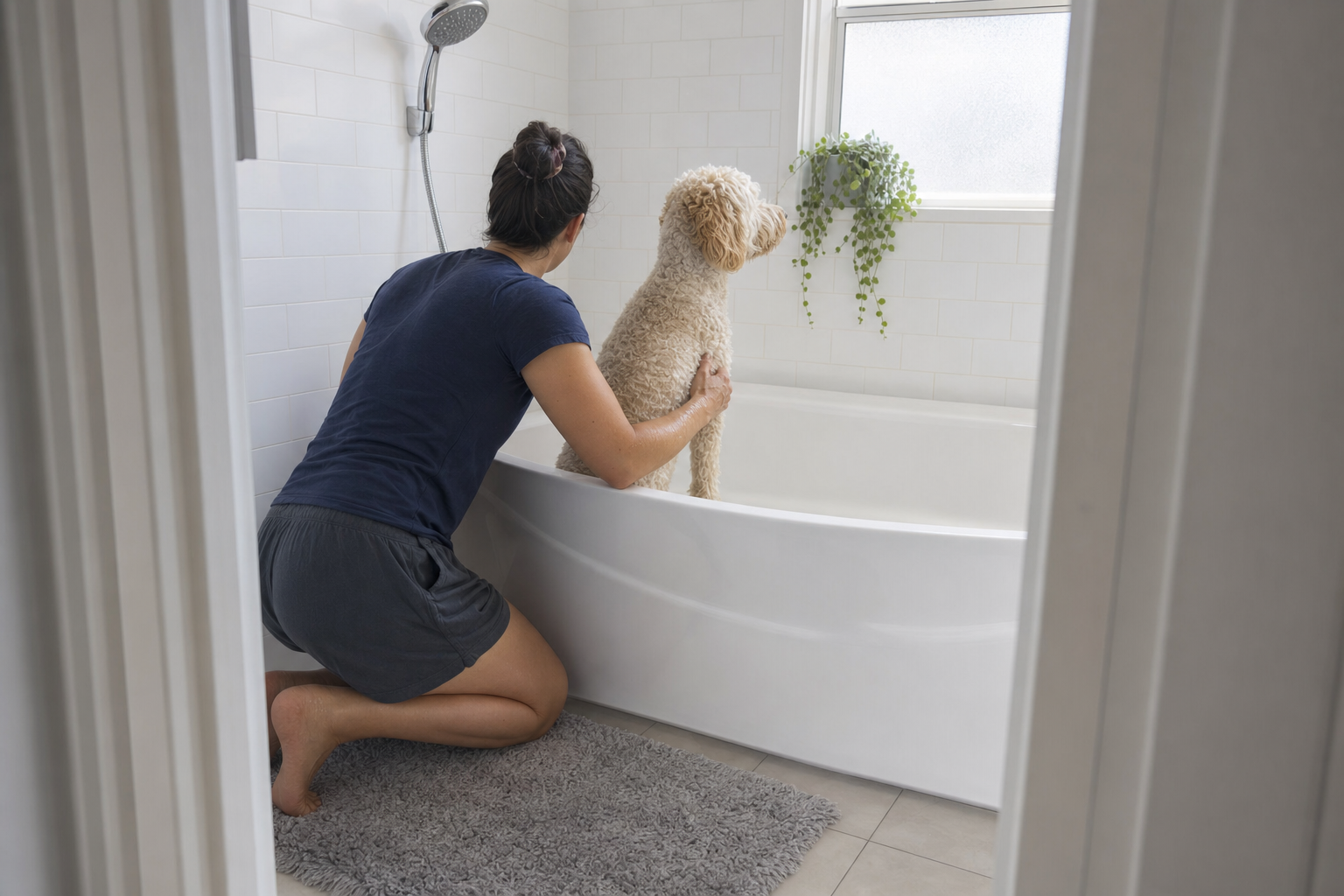
So the order that works is treatment first, from your vet, then a bath to get the dirt and the dead fleas out of the coat. The bath we book for fleas on dogs is a deep clean with shampoo, and that is the one to ask for once the treatment is on board.
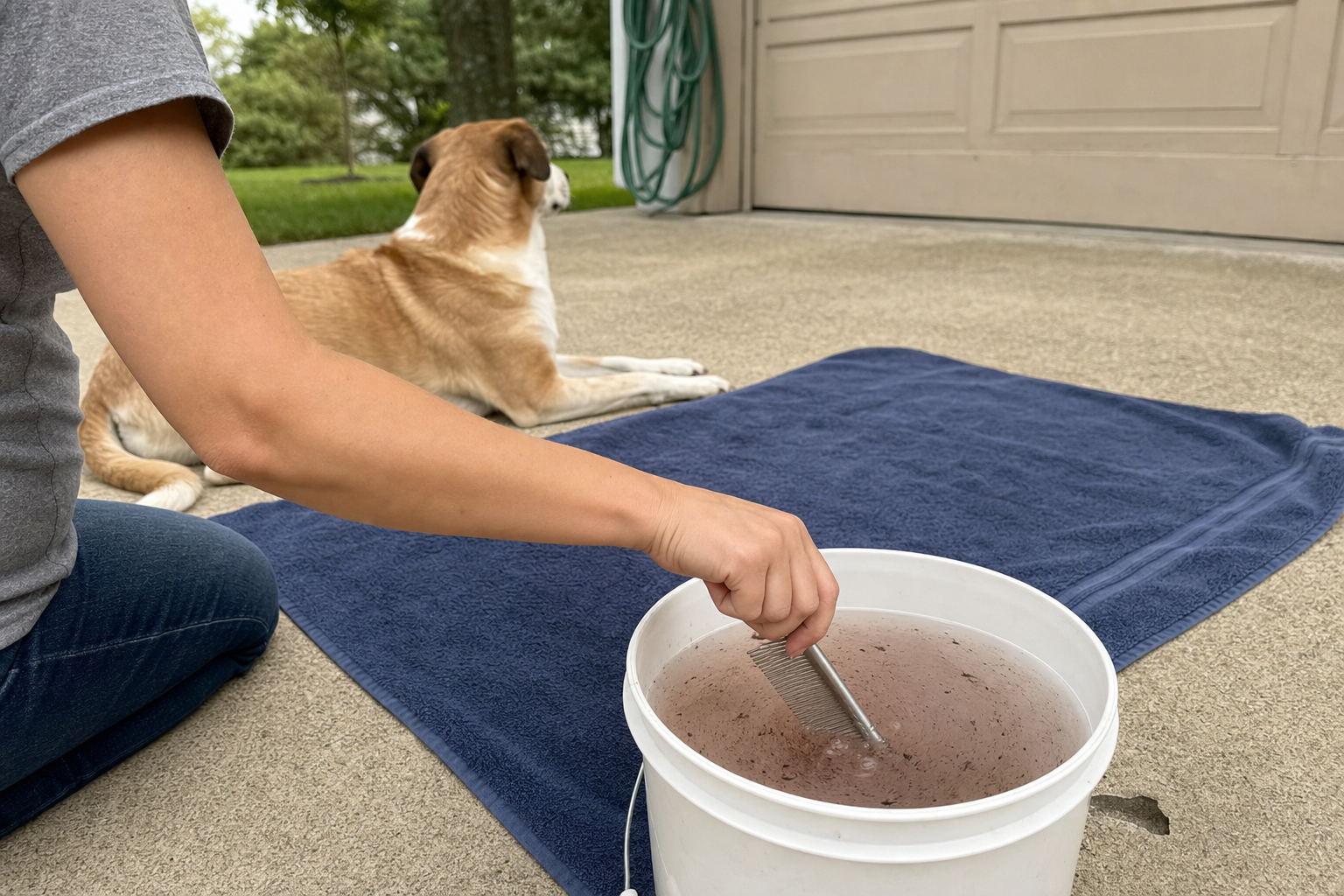
One more thing worth knowing. Flea dirt washes out in the water, so if you bathe your dog before you test, you will not find it. Do the test first.
Book a groom
If you would rather hand the bath part over, we groom dogs in a climate controlled van that parks in your driveway. Nobody has to ride anywhere, and it is one pet at a time, so we can go at whatever pace your dog needs.
Get in touch through the form or give us a call at (717) 601-6176, and tell us what you found on the paper towel. We will take it from there.