
Hypoallergenic Dog Shampoo: When Your Dog Actually Needs It
Quick version: hypoallergenic dog shampoo is a mild, low fragrance wash for dogs whose skin reacts to normal shampoo. It helps with irritation from products. It does nothing for fleas, seasonal allergies or an infection, and reaching for it first can hide what is really going on.
Skin is skin, and I get asked about hypoallergenic dog shampoo as often as I get asked about anything else. It is a genuinely useful product for one specific kind of dog. It is also the first thing owners buy when their dog is itchy, and that is usually not where the answer is.
Here is what the word means on a dog shampoo bottle, when it is the right call, and what to check before you spend money on a new bottle.
What hypoallergenic actually means on a dog shampoo
There is no official standard behind the word. On a dog shampoo it generally means the maker has left out the things that most often irritate skin, so heavy fragrance, dyes and harsh detergents. What is left is a mild wash.
That is worth having for a dog that reacts to scented shampoo. It is not medicine. There is nothing in it to kill fleas, clear a yeast problem or calm an immune reaction to grass pollen.
Because the word is not regulated, two bottles that both say hypoallergenic can be quite different from each other. If your dog has real skin trouble, ask your vet what they want you using rather than choosing by the word on the front of the bottle.
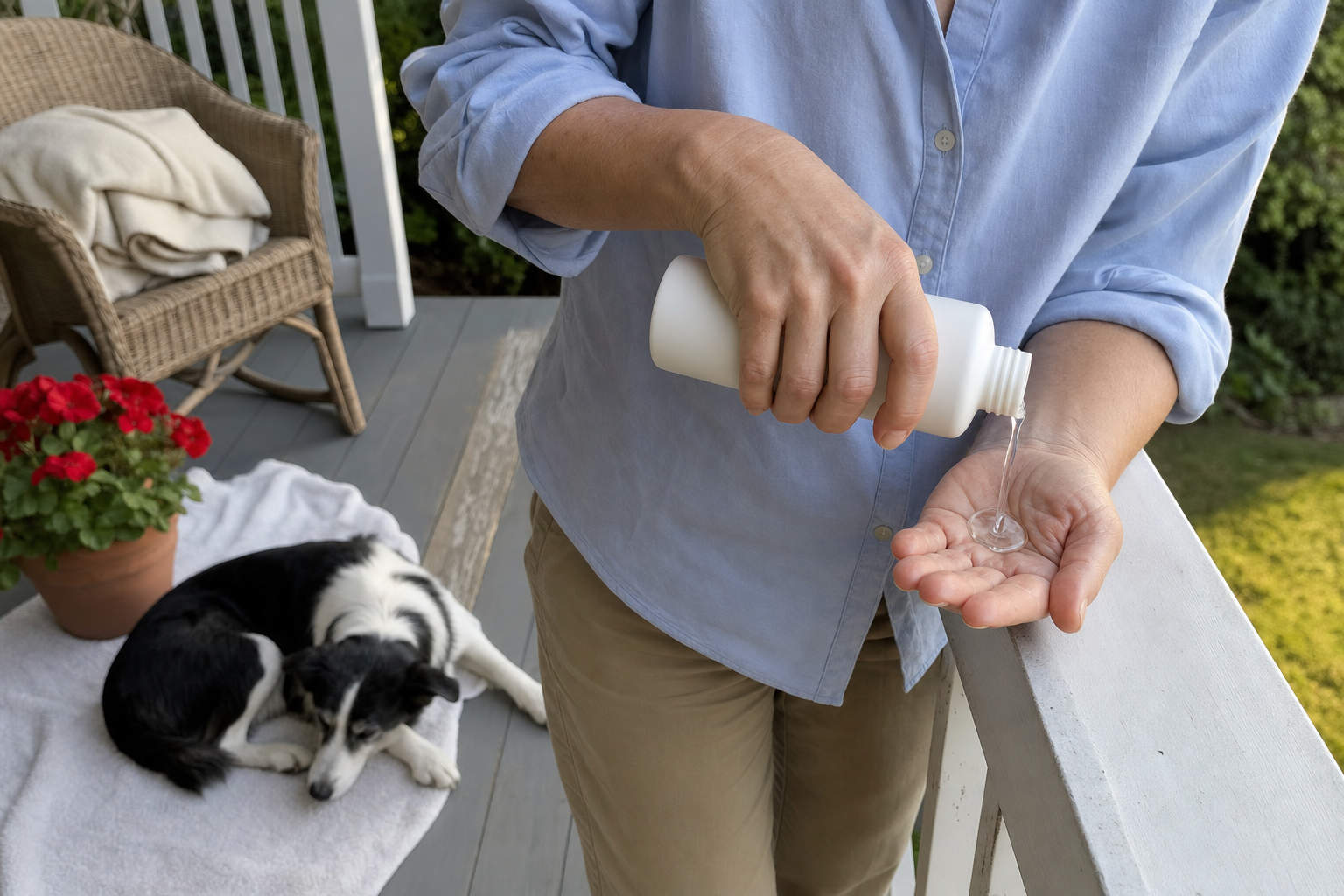
Signs the skin is reacting to the wash itself
Timing is the clue. A reaction to shampoo shows up within a day or two of a bath and settles down again between baths.
- Scratching that starts the evening after a bath and eases off by the end of the week.
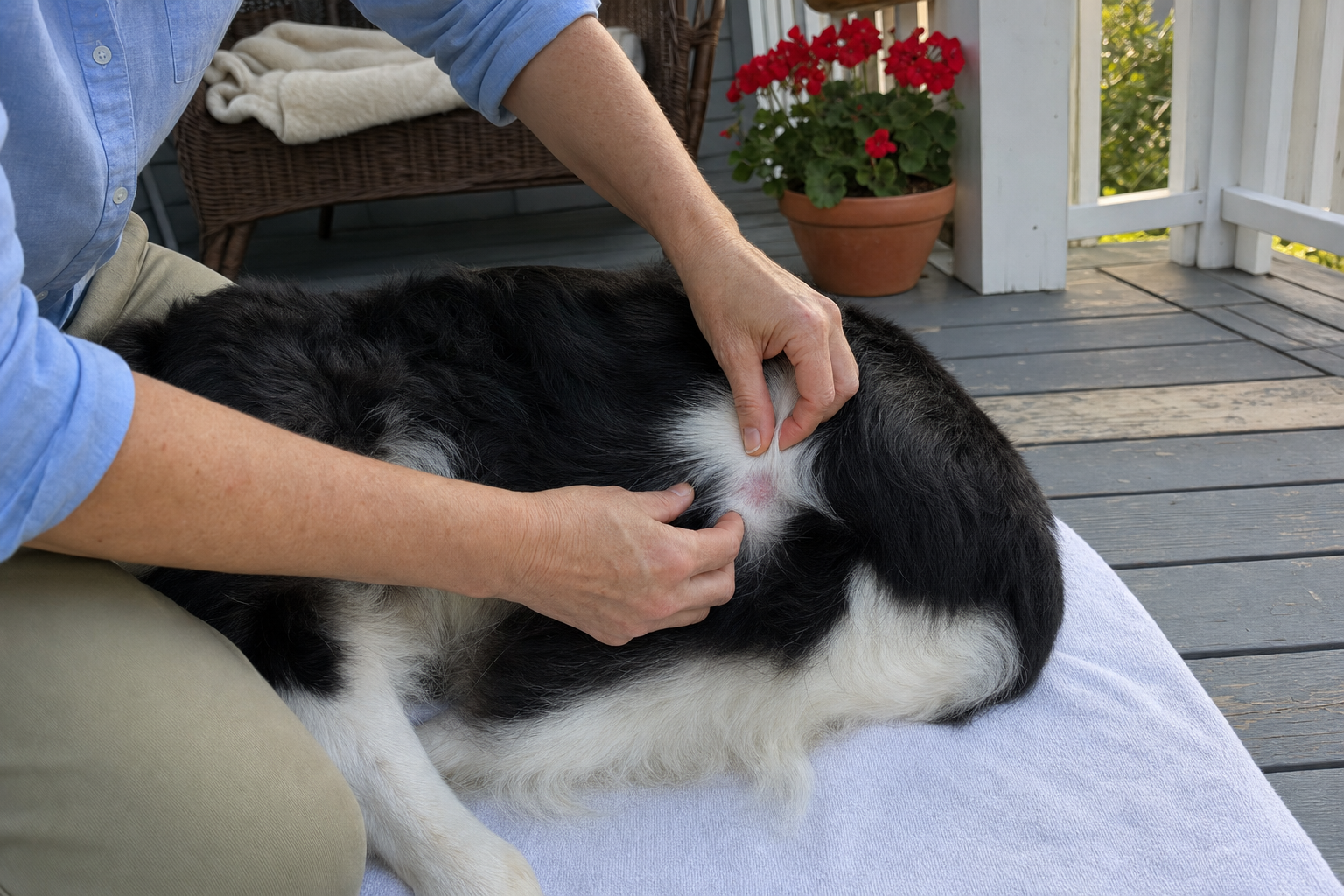
- Pink or red skin on the belly, the armpits and the inside of the back legs.
- Flaking that appears after a bath rather than steadily through the winter.
- Rubbing the face or the side of the body along furniture in the day after a groom.
- A coat that feels dry and squeaky instead of soft.
If your dog itches all the time whether or not there has been a bath, the shampoo is not causing it and changing brands will not fix it.
Rule out fleas before you change shampoo
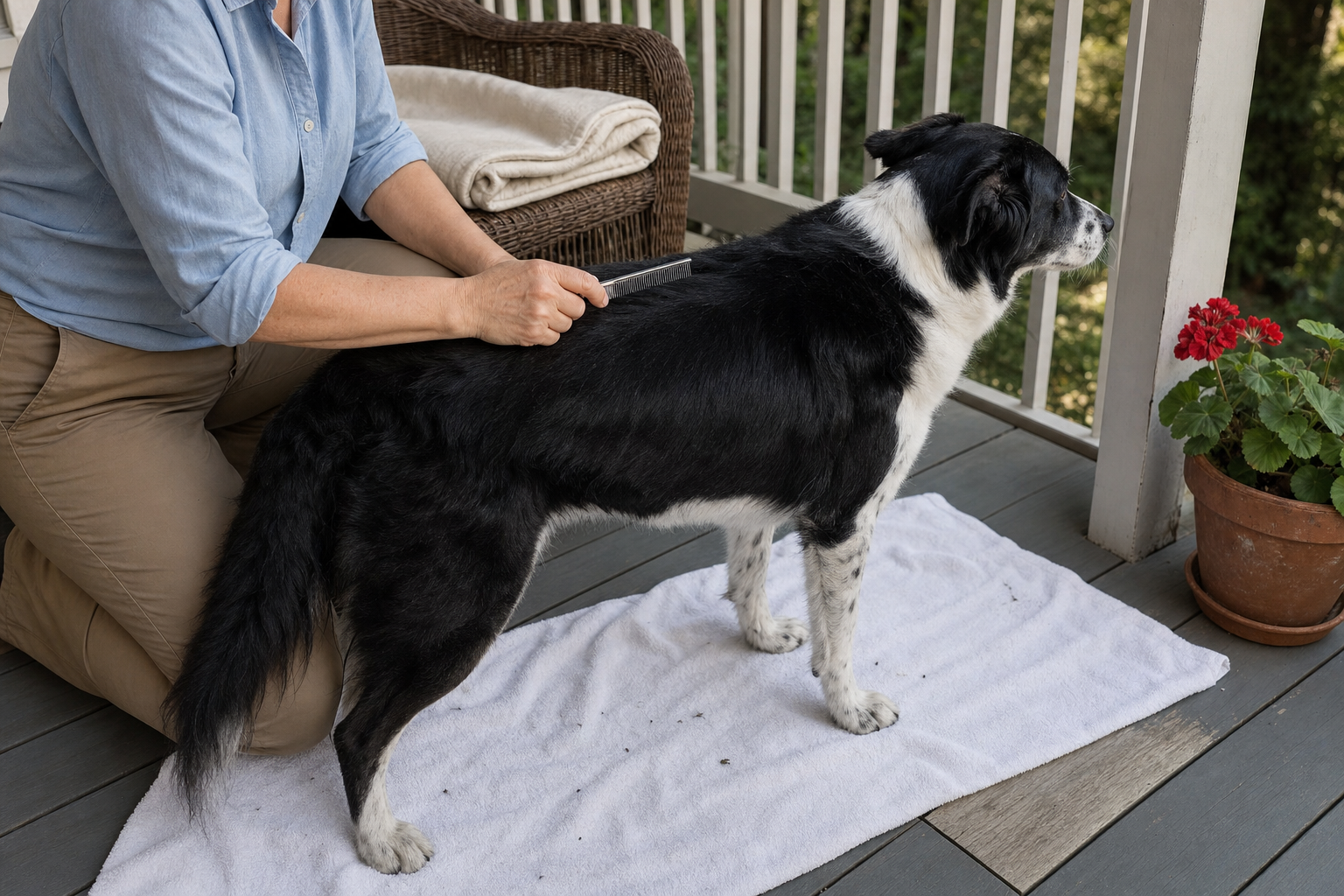
Fleas are the most common reason a dog itches and the easiest cause to check for. Comb along the lower back over a white towel and look for black specks. Press a damp white paper towel onto them. If they smear red, that is flea dirt, and your dog needs a flea treatment from your vet rather than a different shampoo.
A bath helps once the treatment is on board. The one we book for fleas on dogs is a deep clean that gets the coat and the flea dirt cleared out, and it makes a dog much more comfortable. The treatment is still the thing that solves the problem.
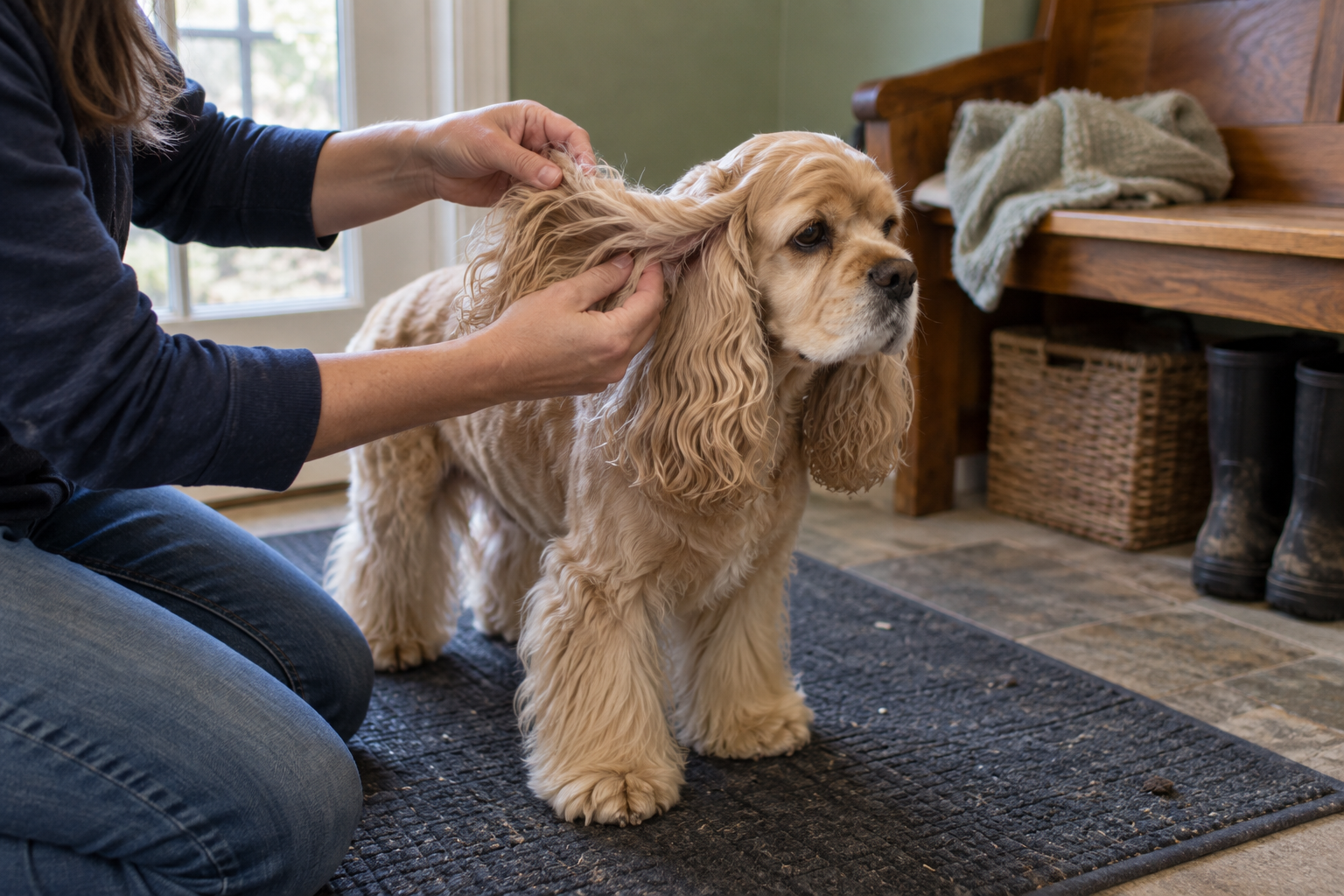
Worth checking the ears at the same time. Head shaking and scratching around one ear point at an ear problem, and no shampoo will touch that.
When it is the right call, and when it is not
| What is going on | Is hypoallergenic shampoo the answer | What to do |
|---|---|---|
| Itchy for a day or two after every bath | Yes | Switch to a mild fragrance free dog shampoo and rinse for longer |
| Itchy all the time, worse in spring and summer | No | Vet visit, this is usually environmental allergies |
| Black specks at the base of the tail | No | Flea treatment from your vet, then a bath |
| Red patch that appeared overnight and is spreading | No | Vet the same day, that is a hot spot or an infection |
| Flaking all over in winter with no scratching | Sometimes | A conditioning bath, and check how dry the house air is |
| Puppy with easily irritated skin | Yes | A mild shampoo made for puppies, and bathe less often |
| Smell that comes back within a day of a bath | No | Vet check for a yeast or skin infection |
The pattern in that table is worth noticing. Hypoallergenic shampoo is the answer when the bath is the thing causing the problem, and it is the wrong answer for almost everything else.

How often to bathe a dog with sensitive skin
Less often than most people think. Bathing a sensitive dog every week, even with the mildest shampoo you can find, keeps stripping the oil the skin needs and keeps the cycle going.
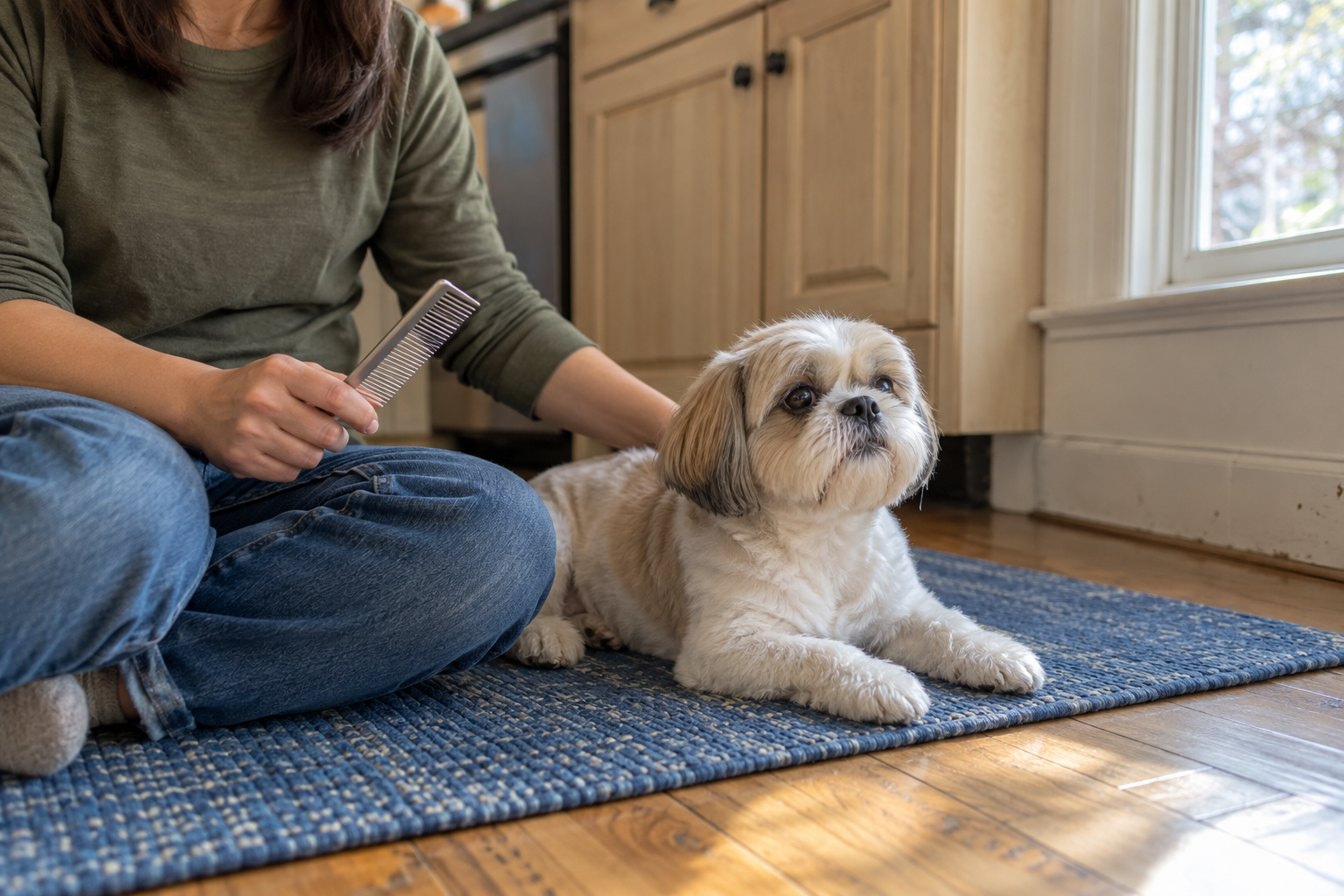
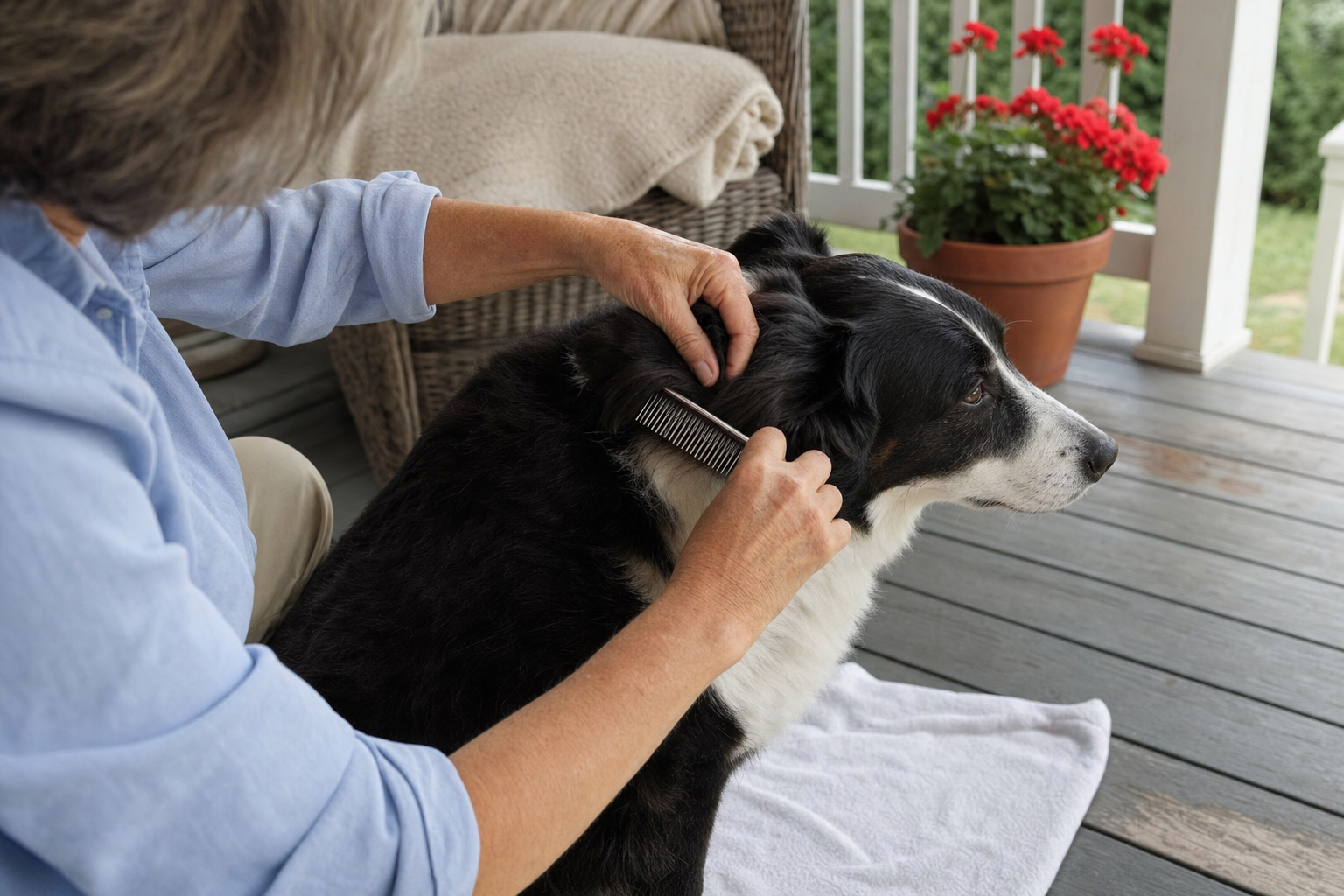
For most dogs with reactive skin, a wash every four to six weeks is a sensible rhythm. In between, brushing does more good than another bath, because it lifts dirt out of the coat and spreads the coat's own oil along the hair.
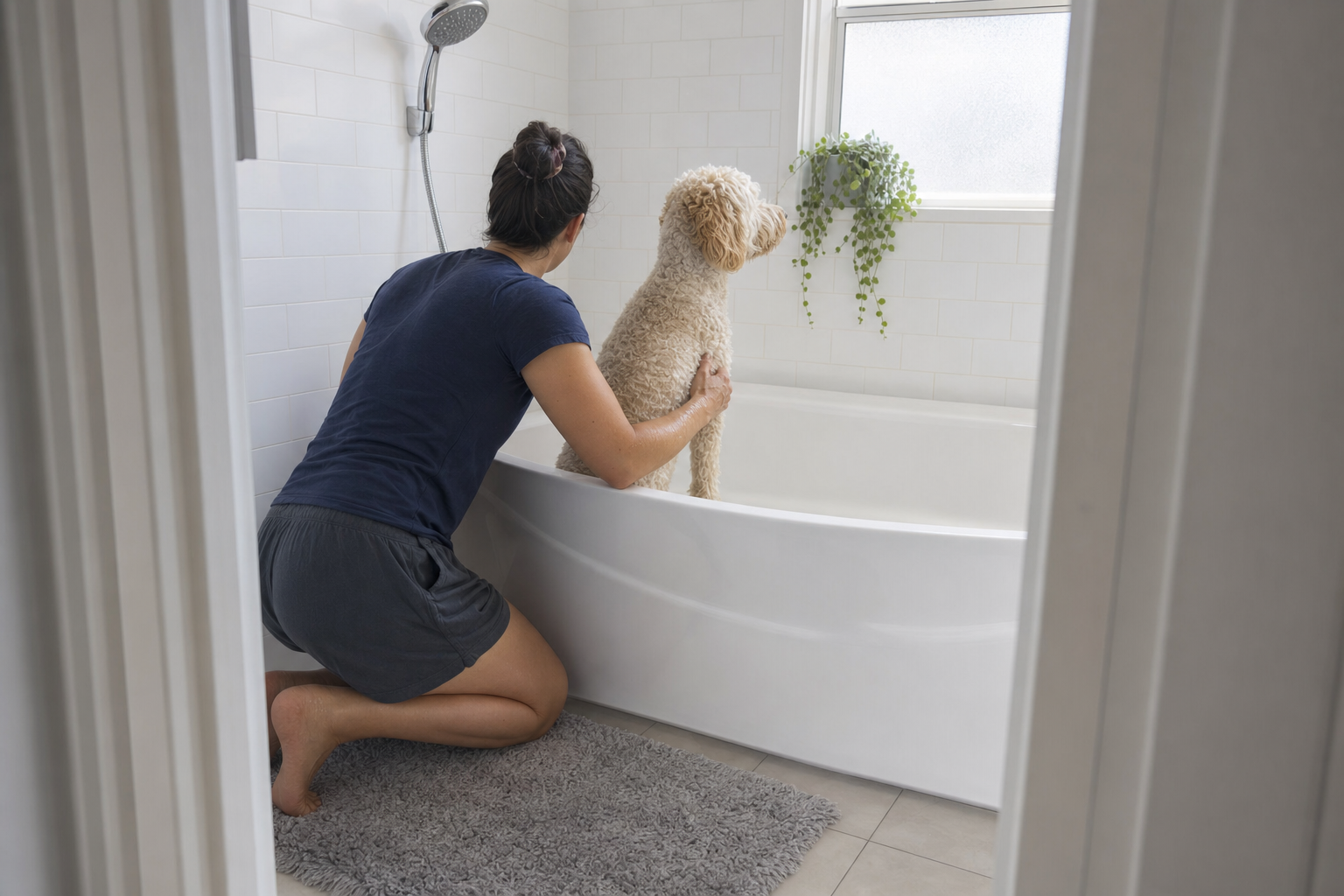
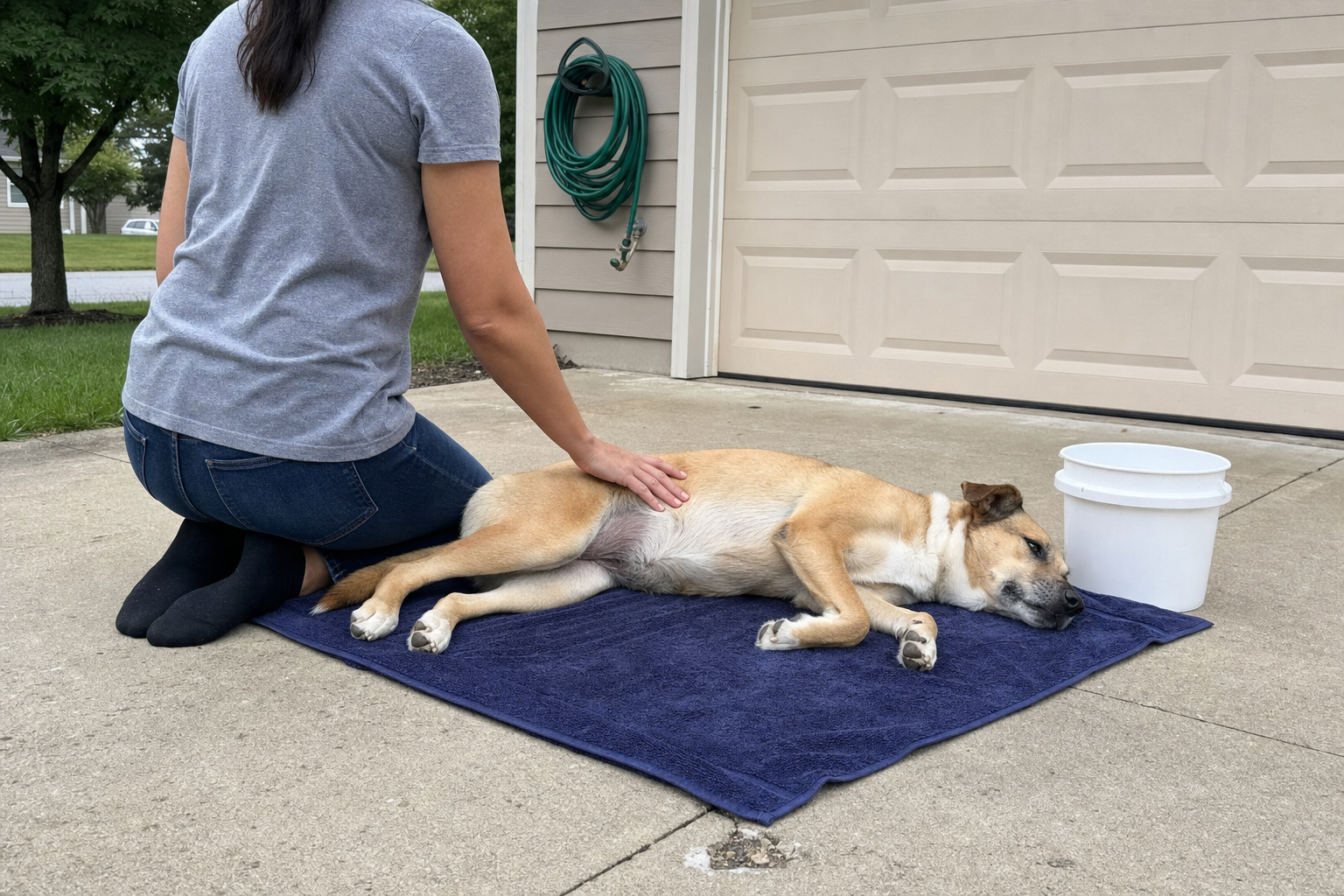
Two things matter more than which bottle you pick. Rinse for longer than feels necessary, because leftover residue irritates skin more than the shampoo itself does. And dry the coat all the way down to the skin instead of just the top.

Coats that hold product against the skin
Some coats make all of this harder. Poodles, doodles, Bichons and anything with a dense curly coat trap shampoo down near the skin, and if the coat is long or starting to knot, no amount of rinsing gets all of it out.
For those dogs the length of the coat matters as much as the shampoo does. A tidy, shorter cut rinses clean and dries properly, and that on its own settles a lot of skin down. Our poodle haircut covers the styles and what each one needs between visits.
Keeping it consistent between grooms
The thing that helps sensitive skin most is using the same shampoo and the same routine every time. Chopping and changing products makes it impossible to tell what is working and what is not.
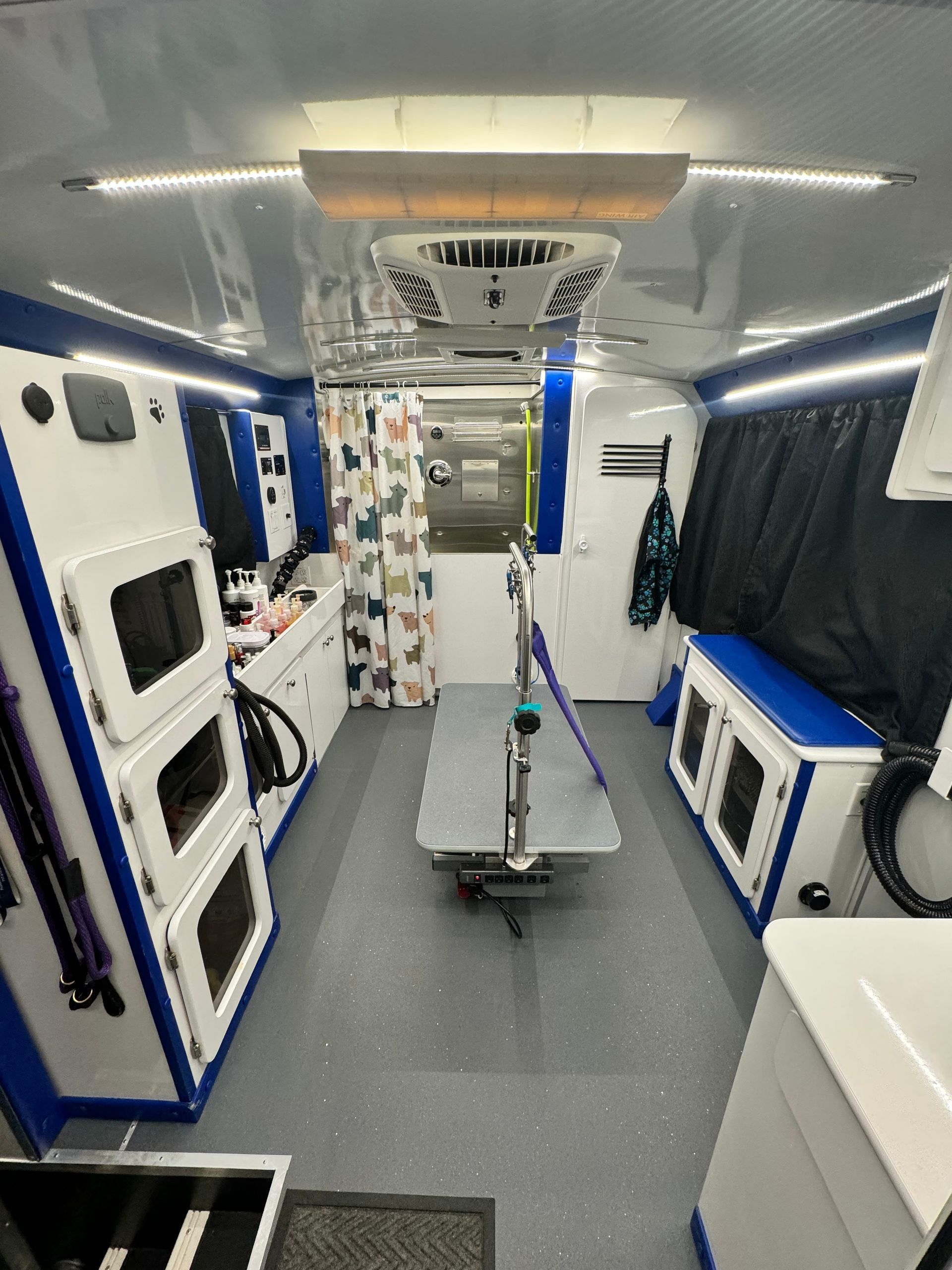
Tell your groomer what your dog is on and why, so the visit fits with what you are already doing at home. If you are in our area, mobile pet grooming boiling springs and dog groomers dillsburg pa show what we cover on that side of Cumberland County.
We groom dogs in a climate controlled van that parks in your driveway, one pet at a time. Get in touch or call (717) 601-6176 and tell us what your dog's skin has been doing.