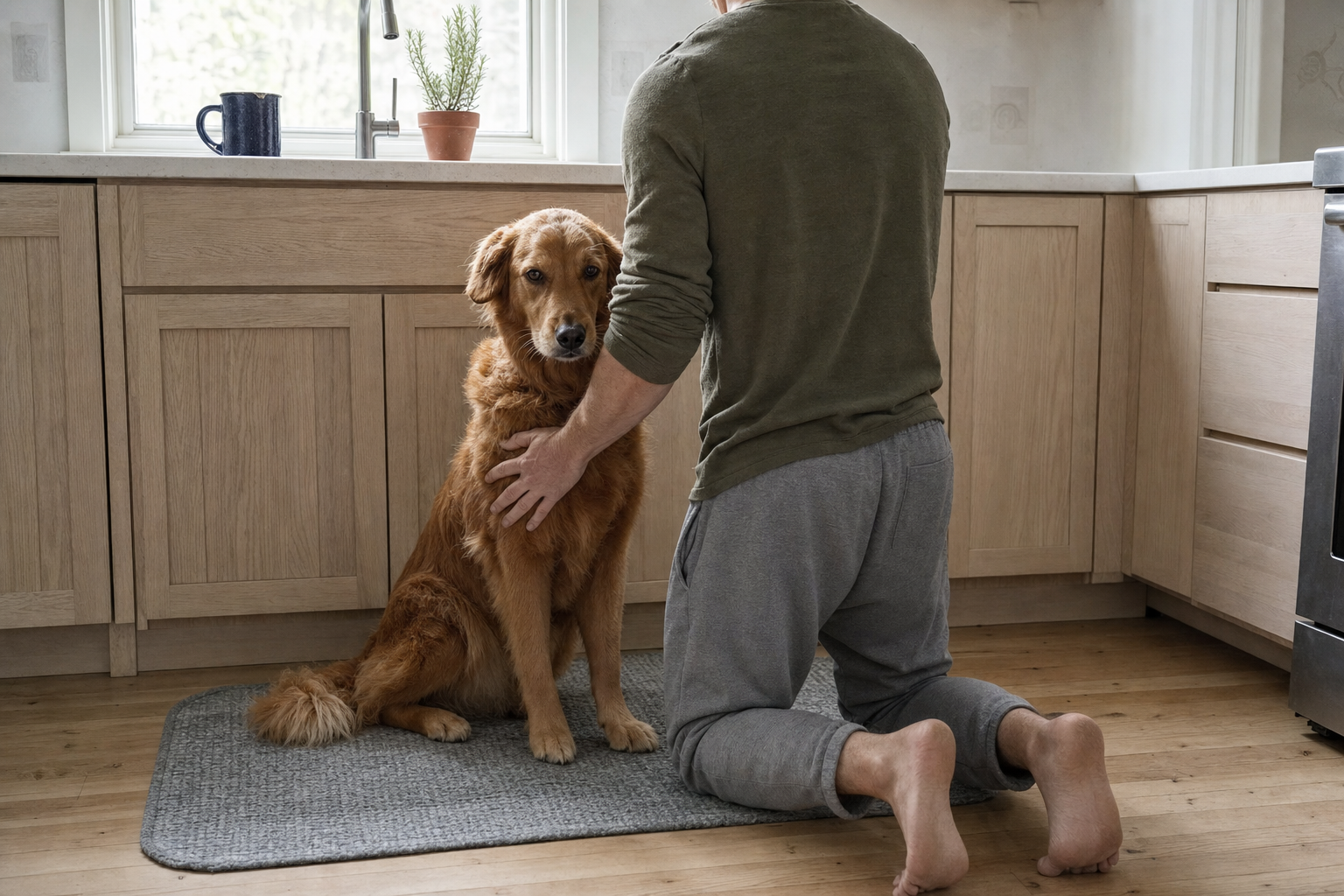

How a Mobile Pet Groomer Works and Important Information for Pet Owners

April 29, 2025

A hectic life is inevitable. Taking your pet to a typical grooming facility can seem tough to fit in between social gatherings, work, and family obligations. Combining it with the anxiety of moving an elderly dog or a timid cat makes for a frustrating experience for both of you. The answer that is revolutionizing the convenience of pet care is a mobile pet groomer.

Mobile pet grooming services like Happy Hounds Mobile Pet Grooming are setting the standard in Pennsylvania locations like Carlisle, Mechanicsburg, and Camp Hill. These services have been increasingly popular recently. This article will give you a behind-the-scenes look at mobile pet grooming, including how it operates, its advantages, and best practices for pet owners.

Learn why mobile pet grooming could be the greatest choice for your pet's comfort and care if you're thinking about this.
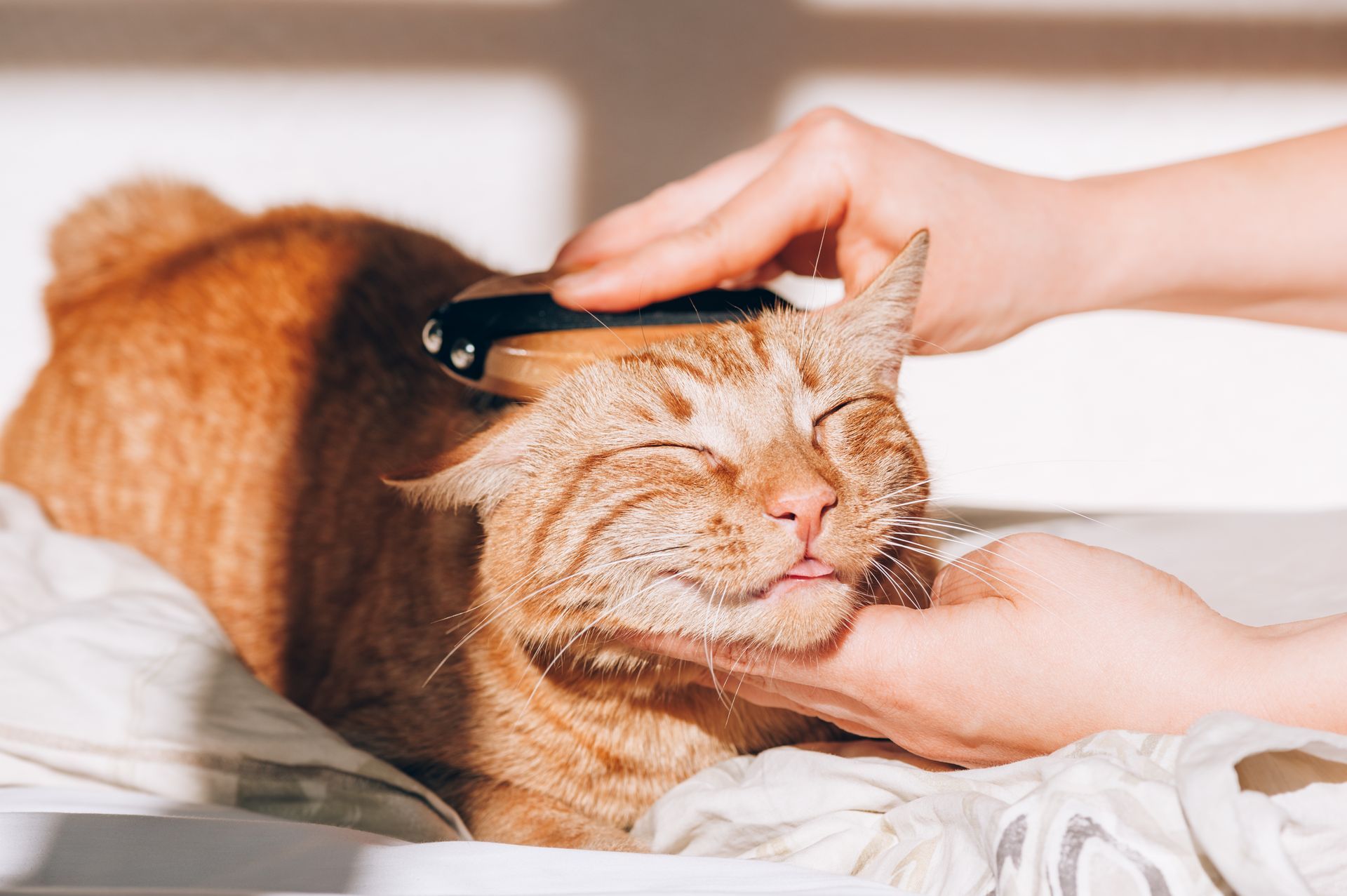
mobile pet spa

How Do Mobile Pet Grooming Services Operate?


Mobile pet groomers bring the salon to your home, eliminating the bother associated with pet grooming. This van isn't your typical van, though; it's a fully furnished,
state-of-the-art grooming station that's meant to provide a pleasant, secure, and stress-free experience.

For instance, Happy Hounds Mobile Pet Grooming offers professional grooming equipment, high-end shampoos, dryers, and climate control in their modern vans to keep your pet comfortable all year long. Without the interruptions of other animals, your pet enjoys a private spa treatment after the groomer arrives. This committed focus makes the entire procedure more pleasurable by guaranteeing your pet receives individualized attention.

Depending on what services your pet requires for grooming, appointments usually last between one and two hours. Mobile pet spas like Happy Hounds Mobile Pet Grooming provide everything your pet needs to look their best, from baths and haircuts to nail trims and deshedding treatments, all while you enjoy the convenience.


What Mobile Pet Grooming Offers?


1. Convenience for owners of busy pets


Mobile pet groomers spare you the trouble and time of waiting at the salon, battling traffic, and packing your pet into the car. The groomer instead visits you in the convenience of your own home. Pet owners who are too busy to spend their entire day changing their schedules for appropriate care will find this service particularly intriguing.


2. Individualized, Stress-Free Personal Care


Busy salons with strange noises, smells, and other animals can make many pets anxious. Mobile pet grooming provides a tranquil, cage-free setting that removes these stressors. Giving pets individual attention helps them feel less stressed and have a more enjoyable grooming experience.
For anxious pets, elderly dogs, or cats who might not do well in conventional salon settings, this is especially helpful.


3. The Health Advantages of Pets


Keeping your pet's coat and skin free of irritation requires routine maintenance. In addition to basic services, full-service mobile pet groomers like Happy Hounds Mobile Pet Grooming
provide anal gland expression, nail care, and ear cleaning. Long-term health problems can be avoided by taking these preventative steps.


4. Adaptable Services

Whether your cat needs a sanitary trim or your dog needs a breed-specific haircut, mobile dog and cat grooming enables you to customize services to meet your pet's individual requirements. A safer encounter is ensured by groomers who also take the time to learn about your pet's comfort level and habits.


5. Developing Local Communities' Trust


Since Happy Hounds Mobile Pet Grooming and other mobile pet groomers are frequently neighborhood companies, they place a high value on fostering relationships in the communities they serve. This means receiving individualized care from experts who genuinely understand your needs if you own a pet in Carlisle, Mechanicsburg, Camp Hill, or anywhere in Pennsylvania.
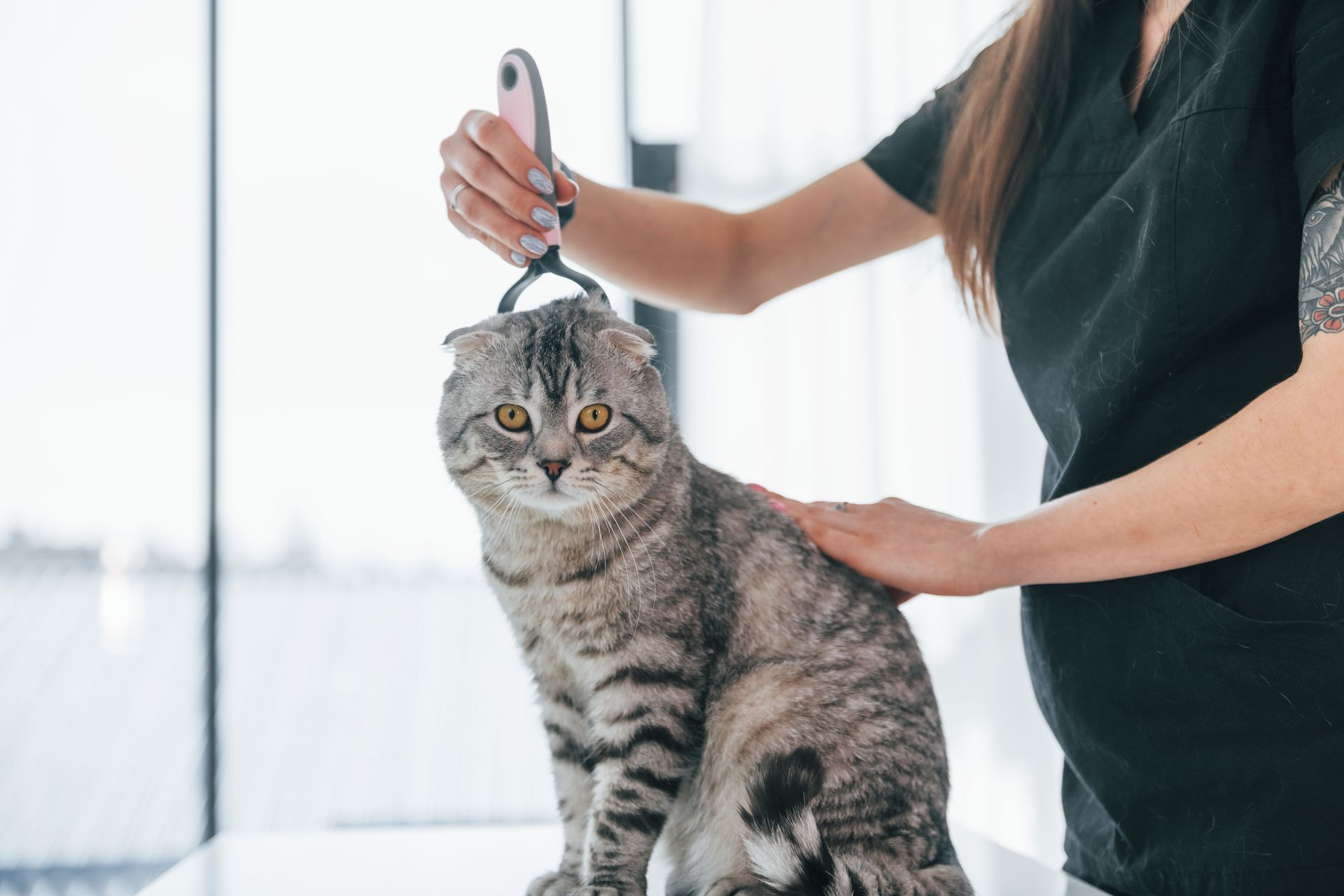
full-service mobile groomer

What Kind of Services Are Anticipated?


The wide range of services offered by mobile pet grooming are intended to maintain your pet's optimal appearance and well-being. The following is what a full-service mobile pet grooming appointment with Happy Hounds Mobile Pet Grooming usually entails:

Cleaning and air conditioning:

Personalized shampoo and conditioning regimens for the type of coat on your pet.


Haircuts:

Personalized grooming guarantees your pet looks their best, whether it's
breed-specific styles or basic trims.


Matting and Shedding:

Treatments that stop matting and lessen shedding will keep your home hair-free.


Nail Trimming and Grinding:

Prevent unpleasant overgrowth and enhance your pet's general comfort by nail trimming and grinding.


Ear Cleaning:

Cleaning your ears can help prevent infections by gently removing debris and wax.


Sanitary Trims And Paw Pad:

Clean and hygienic sensitive areas are maintained with sanitary trims and paw pad grooming.


Scent Spray:

A pet-safe scent spray and, of course, a cute bandana are the last touches!

To view the complete list of services that Happy Hounds Mobile Pet Grooming provides, go to their
services page.
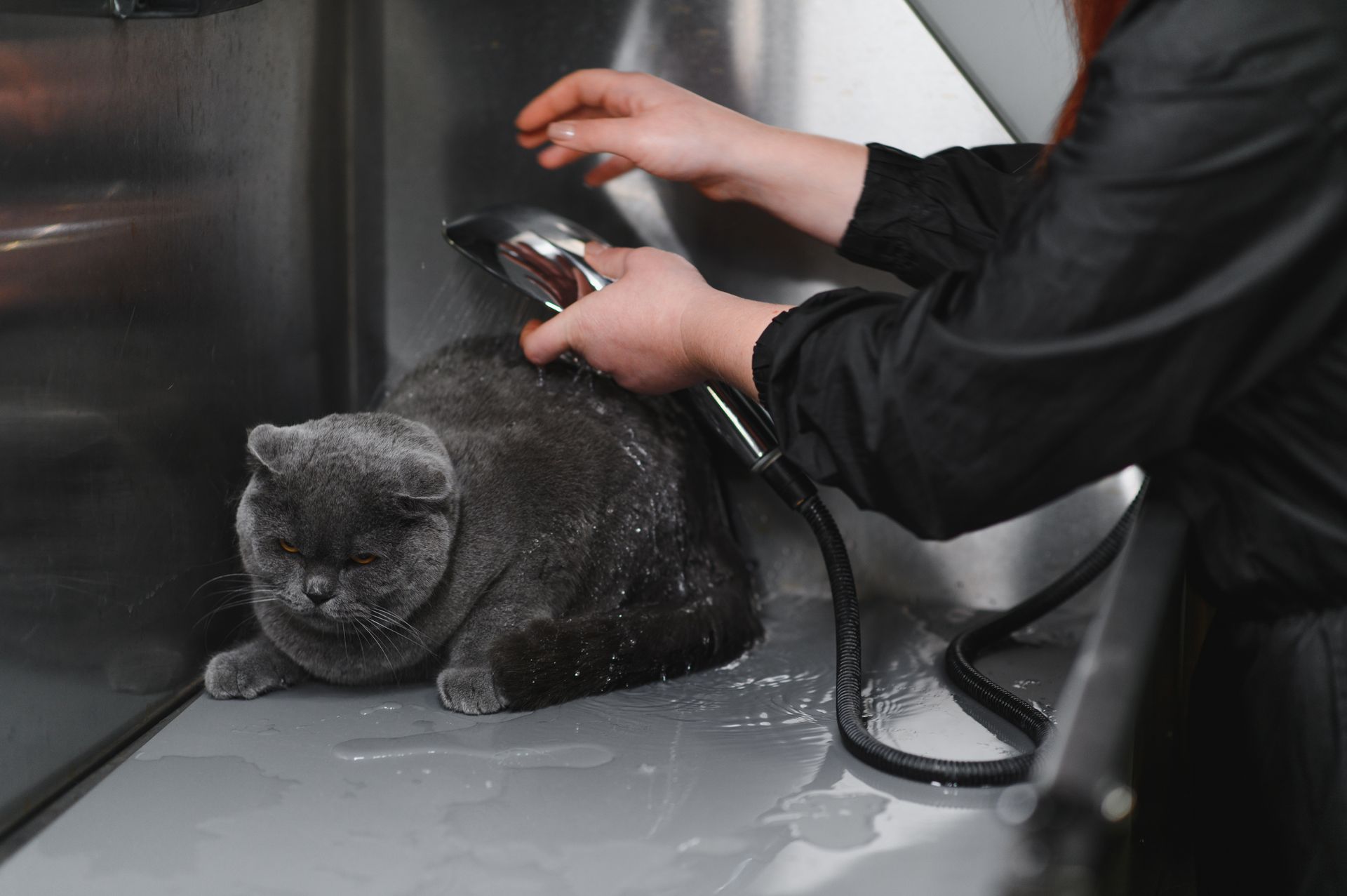
mobile grooming for dogs and cats

The Best Way to Get Ready for Your Mobile Grooming Visit


The following advice will help ensure that the experience is as easy as possible for both you and your pet:

Select a Place That Is Secure and Easy to Reach
Make sure there is plenty of parking space for the grooming van close to your house. Parking on the street or in a level driveway is preferable.

Prepare Your Pet for Sleep
If your pet is anxious about getting groomed, letting them play or taking a short walk might help them unwind before the groomer shows up.

Exchange information on behavior and health.
Discuss any health concerns or unusual behavior your pet may have with your groomer. This enables the groomer to modify their strategy for optimal outcomes.

Keep Close but Out of View
Pets may become distracted by you when you're grooming them. The majority of professionals advise that, unless absolutely required, you remain accessible but out of your pet's direct line of sight.

To learn more about how to get ready for your appointment, get in touch with Happy Hounds Mobile Pet Grooming today.


FAQs


How much is the cost of mobile pet grooming?

The size of your pet, the quality of its coat, and its particular requirements all affect pricing. Prices for services at Happy Hounds Mobile Pet Grooming are competitive and designed to provide value. Online quotes can be requested.


Are there mobile grooming services for cats and dogs?

True! Happy Hounds Mobile Pet Grooming is an expert in providing mobile dog and cat grooming services, guaranteeing that each pet gets the best care possible.

Is it necessary for me to be at home for the appointment?
Happy Hounds Mobile Pet Grooming provides its regular, long-term customers with "latchkey" services for increased convenience. Thus, you don't need to be home to groom your pet. Interested?


How frequently ought I to groom my pet?

Depending on the breed, coat type, and lifestyle of your pet, the frequency will vary. Grooming dogs every 4–8 weeks is generally beneficial.
Grooming cats is usually necessary every 8 to 12 weeks.


Ways to Improve the Grooming Experience of Your Pet

Not only is mobile pet grooming a luxury, but it's also a more affordable and convenient way to take care of your furry family members. Every element, from individualized care to the simple ease of having your pet groomed at your door, is intended to make life simpler and more joyful for both pet owners and their animals.

Make an appointment
with Happy Hounds Mobile Pet Grooming right now if you're prepared to pamper your pet like a royal.
By Lauren Hannold July 21, 2026
A full groom covers a bath, conditioner, high-velocity blow-dry, full haircut, nail trim, ear cleaning, and paw pad and sanitary trim. Most sessions run 60 to 90 minutes on the van. For coated breeds like Doodles, Shih Tzus, and Poodles, every 6 to 8 weeks is the right cadence. Milo came in last April. Shih Tzu, seven years old, and his owner wasn't sure whether to book a bath or a full groom. "He's not that bad," she said. He was a little bad. Two months of undercoat had built up behind his ears, and his topknot had gone soft-mat from wearing a collar around the clock. We went with the full groom package . Forty-five minutes later, Milo stepped off the van looking like a completely different dog. She cried a little. That's the full groom. Not magic. Just the right service for a coat that had been waiting too long for one. What the Full Groom Package Actually Covers Everything in one session. A deep shampoo and conditioner bath, high-velocity blow-dry, full breed-standard or owner-requested haircut, nail trim, ear cleaning, and paw pad and sanitary trim. Nothing to add on, nothing left out. It's the whole list. The bath comes first. We use a deep-clean shampoo followed by conditioner, which matters more than most owners realize. Conditioner softens the coat before the dryer, reduces static that causes post-bath tangling, and makes the cut go smoother because the coat moves instead of fighting the scissors. Then the dryer. On the van we use a high-velocity dryer, which is different from the blow-dryer you have at home. It blows air at pressure, not just heat, and it separates the coat from the skin. That's how a groomer can actually see what's going on underneath before touching the scissors. Skip it and you're cutting blind. The haircut is where the time varies by breed and coat length. A standard poodle in a puppy cut takes longer than a Yorkie in a maintenance trim. But the structure is the same for all of them: rough cut first, then detail work around the face and feet, then a finishing pass. Nail trim and ear cleaning happen at the end, when the dog is calm and dry. Those two things matter as much as the haircut for keeping your dog healthy between grooms. Long nails change how a dog walks. Dirty ears that go unnoticed become ear infections. Bath Package vs Full Groom: The Real Difference The bath package gets your dog clean, dry, brushed out, and smelling good. Nail trim is included. What it doesn't cover is a haircut. For dogs whose coat doesn't grow, that's exactly the right call. Labradors, Beagles, Boxers, Basset Hounds. A bath every 6 to 8 weeks, no scissors needed. Full groom makes sense when the coat grows. Doodles, Shih Tzus, Poodles, Bichons, Schnauzers, Cocker Spaniels. If you're brushing a few times a week and still seeing the coat creep past the eyes and paws, that's the signal. If you've pulled a mat off your dog's leg in the last month, that's also the signal. 
By Lauren Hannold July 16, 2026
Quick comparison: Mobile grooming costs $15 to $35 more per appointment than most shops. In exchange you get zero travel, no wait time, and a one-dog-at-a-time session. Whether that trade-off makes sense depends on how you value your time and how your dog handles a busy environment. A Mechanicsburg neighborhood Facebook group had this debate last month. "Is mobile grooming worth the extra cost?" Forty-seven comments. Half said yes without explaining why. The other half said no without explaining that either. Here's an actual breakdown so you can make the call for your own situation. What You're Actually Paying For at a Grooming Shop A shop appointment for a medium-sized dog in the Mechanicsburg area runs roughly $55 to $80 for a full groom, depending on coat type. That price covers the groomer's labor, facility overhead (rent, utilities, equipment), and supplies. It does not cover your time. Here's how a typical shop appointment actually runs. You drive to the shop, 10 to 25 minutes each way depending on where you live. You drop off the dog, usually between 8 and 10am. The dog gets groomed sometime during the day. Your actual slot might be 11am or 2pm, depending on how the shop stacks the day. You get a call when the dog is ready, drive back, pick up. Round trip is 45 to 60 minutes of your time, plus the window of uncertainty for when exactly to head back. The dog's day is also longer than the groom itself. From drop-off to pickup, most dogs spend 4 to 6 hours at a shop. The actual groom is 60 to 90 minutes. The rest is crate time, waiting for the groomer to get to them, and drying time between steps. Some dogs treat this as a rest period. Others spend the whole thing on alert. What You're Actually Paying For with Mobile Grooming Mobile grooming for the same dog runs $70 to $115 in the Mechanicsburg market. The higher price covers the same labor and supply costs as a shop, plus van overhead: fuel, insurance, maintenance, depreciation on a vehicle that costs $70K to $90K to rig out. That's a real cost and it shows up in the price. Nothing dishonest about it. What you get for it: the van comes to your address. Your involvement is handing the dog off at your driveway and receiving it back 60 to 90 minutes later. The session runs start to finish on the van. The dog doesn't wait in a crate. You don't drive anywhere or manage a pickup window. If you value your time at $25 an hour, which is conservative for most working adults, the 45 to 60 minutes you skip by not driving already closes most of the price gap. At $30 an hour, you're at break-even on a typical appointment. 
By Lauren Hannold July 9, 2026
Quick answer: Reactive dogs groom better one-on-one than in a busy shop. The mobile van removes the main triggers, other dogs, waiting areas, unfamiliar smells, before the groomer even picks up a brush. Most reactive dogs do better on the van than their owners expect. Shepherd mix, three years old, flagged as "does not like other dogs" in the booking notes. Owner wasn't sure if we could take her. We could. Did. The session ran 15 minutes longer than a standard groom because we took the nail trim in two rounds with a break in between. Dog left clean. No incident. That's not a lucky outcome in a mobile operation, it's what happens when you remove the triggers instead of managing them. What Reactive Actually Means at the Groomer Reactivity is a response pattern, not a personality type. A dog that lunges at other dogs on a leash isn't necessarily a dog that can't be handled alone on a table. Those are different contexts. The leash makes the dog feel trapped, the other dog is a threat, and the lunge is an escalation. Remove those conditions and the same dog might stand perfectly still for 45 minutes. At the groomer, the specific triggers that light reactive dogs up are: proximity to unknown dogs, the smell of multiple dogs in an enclosed space, being held still while stressed noises happen around them, and transitions between handlers or stations. A shop appointment hits most of those in sequence. Mobile grooming doesn't eliminate all stress. The dryer is loud, the nail trim is uncomfortable, and a dog that's never been groomed before will be uncertain regardless of the setting. But the dog-proximity triggers are gone from the start. Why Reactive Dogs Struggle in Traditional Shop Settings The waiting area is the first problem. Most shops have a visible or audible dog presence from the moment you walk in. A reactive dog at the door is already spiked before the first brush touches it. That spike takes 20 to 40 minutes to come down, if it comes down at all during the session. The shared space is the second. Even if your dog doesn't see another dog, it can smell six of them. That background tension persists throughout the session and often peaks when another dog vocalizes nearby. The groomer is managing that spike on top of managing the groom. The crate time is the third. Shops often need to stage dogs between steps. A reactive dog in a crate that can hear other dogs in adjacent crates is not resting. It's waiting to fight. By the time the dryer comes out, the dog has been wound up for an hour. 
By Lauren Hannold July 1, 2026
Most vets clear puppies for grooming after their second round of vaccinations, usually around 12 to 16 weeks. The first session should be a short one: bath, blow-dry, brush, nail trim. No full haircut yet. The point is a good first impression, not a perfect groom. Labrador mix puppy, 14 weeks. Owner called to ask if it was too soon. The puppy had been home for three weeks and was starting to smell like a wet sock in July. Short answer: not too soon. I walked through what the session would look like, what we'd skip, and why keeping the first one short matters more than keeping it thorough. That's the call I'd make for any puppy. Get on the van once before they have an opinion about it. When to Schedule Your Puppy's First Groom Most vets will clear a puppy for grooming around 12 to 16 weeks, after the second round of core vaccines. That's the standard. The logic is straightforward: grooming environments involve contact with surfaces, tools, and water that have touched other animals. Before vaccines, it's unnecessary risk. On a mobile van, the exposure risk is lower than a shared shop floor. Your puppy isn't sharing a waiting room or a drying cage with a dog from an earlier appointment. The van gets cleaned between every client. Still, follow your vet's guidance on timing. If they say wait until 16 weeks, wait. One thing that doesn't depend on vaccines: getting the puppy comfortable with being handled before the first appointment. Ear flaps, paws, between the toes, the muzzle area. Puppies that have been touched all over before they meet a groomer do significantly better on that first van visit. What a Puppy's First Groom Actually Covers A puppy's first session is shorter and simpler than a standard adult groom. The goal is a good experience, not a finished product. That means we keep the session under 45 minutes when possible and skip anything that requires extended holding or restraint. The bath package is the right starting point for most puppies. That covers a warm bath with gentle shampoo, blow-dry on a lower setting, brush-out, and nail trim. No clippers, no scissors near the face. We're introducing the sights, the sounds, and the sensation. That's the whole job on round one. Warm bath with gentle puppy-safe shampoo Low-speed blow-dry to reduce noise stress Brush-out to acclimatize to handling Nail trim, filed smooth Ear check, flag anything that looks off
By Lauren Hannold June 24, 2026
What actually happens during a first mobile dog grooming visit in Harrisburg, PA. Bath package, full groom, pricing by coat type, and what to expect. Cockapoo named Wren came up for her first mobile appointment last spring. Her owner had tried two Harrisburg-area shops. Both times, Wren came back shaking. So we parked the van at the end of the driveway and let her sniff around the ramp for about four minutes before we started. The groom took forty-five minutes. She fell asleep during the blow-dry. Quick answer: Dog grooming in Harrisburg, PA through a mobile service means a fully equipped van parks outside your home, and your dog gets a one-on-one session with no other animals, no kennel wait, and no drop-off. Most visits run 45 minutes to 2 hours depending on size and coat. What Happens When You First Book a Mobile Appointment Booking works through a short intake form covering size, breed, coat condition, and any behavioral notes. No in-person consultation required for most dogs. We schedule based on Harrisburg-area route days, so availability depends on which neighborhoods we are running that week. Camp Hill and Enola slots typically fill faster than others. Most first-time bookings land within one to two weeks of the initial request. You get a reminder the day before and a heads-up text when the van is about twenty minutes out. No need to be standing outside waiting. Just make sure there is enough room in the driveway for the van to park, roughly the footprint of a large pickup truck. A one-car driveway works fine. Street parking in front of the house also works when the driveway is tight. What the Van Looks Like When It Parks Outside The van is a fully enclosed grooming unit. Climate-controlled, so summer heat and Pennsylvania winter cold do not affect the session. Inside: a hydraulic grooming table, professional-grade dryer, a water-heating system with a self-contained tank, and storage for all tools. It is roughly the footprint of a large bathroom, compact but fully equipped for full grooms, baths, and de-shed treatments. Most dogs are curious about it before they are nervous. The smell is not the same as a shop because no other animals have been through before them that day, which makes a real difference for dogs that are scent-sensitive. The ramp angle is gentle enough for senior dogs and small breeds. We never rush the first introduction. If a dog needs a few minutes outside the van before walking up the ramp, that is part of the appointment.
By Lauren Hannold June 22, 2026
What a de-shed treatment actually removes from a dog's coat, how it differs by breed, and when to book one near Harrisburg, PA. Real numbers, no vague answers. Lab named Duke came in last April. His owner mentioned that Duke sheds 'a bit.' On the table, it turned out Duke shed approximately the weight of a small rabbit every week. Spring blowing-coat season on a black lab. We ran the high-velocity dryer for eleven minutes before the brush even touched the coat. The pile of undercoat on the table afterward was about four inches high. Duke's owner stood outside watching through the van window and messaged afterward to say she had not seen his actual coat color in three months. Quick answer: A de-shed treatment near Harrisburg, PA uses a high-velocity dryer and systematic brushing to remove loose undercoat before it ends up on your floors. It is not a blow-dry with some extra brushing — it is a distinct process that physically dislodges dead undercoat that regular brushing cannot reach. Results last four to six weeks on most double-coated breeds. What a De-Shed Treatment Removes That a Regular Bath Does Not A standard bath wets and rinses the coat. A regular brush-out removes the surface layer of loose fur. Neither one reaches the undercoat effectively. The undercoat on a double-coated dog sits below the guard hairs in a dense, insulating layer. When a dog is shedding, that layer loosens from the skin but does not always exit the coat on its own — it compacts against the skin instead, which creates the clumping and matting you see on labs, shepherds, and goldens mid-shed. The de-shed treatment for dogs works differently. First, a high-velocity dryer blows through the coat at high speed, physically separating the loose undercoat from the guard hairs and pushing it to the surface. Then a slicker brush and a deshedding tool work through the coat section by section. On a dog with a full coat in active shed, the process removes several times more undercoat than any regular brushing session could.
By Lauren Hannold June 15, 2026
Which mobile grooming add-ons are worth it in Carlisle, PA and which are not, based on your dog's coat type. Hydro-massage, premium conditioning, fragrance, and more. Standard poodle named Oliver came in last November for a full groom. His owner asked about add-ons for the first time and picked the premium conditioning treatment almost as an afterthought. When Oliver came down the ramp, his owner ran a hand through his coat and went quiet for a second. Then she said: why has no one told me about this before. The coat felt different. Not just clean, but actually softer than it had been in months. Quick answer: Mobile grooming add-ons in Carlisle, PA extend or improve the base bath or full groom. The ones worth getting depend almost entirely on coat type. Premium conditioning is worth it for long or dry coats. Hydro-massage makes the most difference for bigger dogs. Fragrance is an aesthetic choice, not a grooming benefit. What Premium Conditioning Does for Long or Dry Coats The standard bath uses a professional shampoo and a light conditioner rinse. The premium conditioning treatment is a leave-in or deep-condition step that goes on after the rinse and sits in the coat before the blow-out. For dogs with long coats, curly coats, or coats that tend to frizz or dry out in winter, this is the add-on that actually changes how the coat looks and feels between appointments. It matters most for doodles, poodles, cockers, and any dog with a coat that gets tangly or straw-like between visits. For short-coated labs or boxers, the effect is real but subtler — the coat gets a slight sheen and feels a bit softer, but nothing as dramatic as it is on a long coat. If you have a short-coated dog and are choosing between add-ons, there are better options for that coat type. Why Hydro-Massage Makes the Most Difference for Bigger Dogs The hydro-massage add-on uses a pulsing water pressure attachment during the bath phase to work through the coat and against the skin. It loosens dirt more effectively than a standard rinse on thick or heavily-coated dogs, and for older dogs with stiff joints, the warm water pressure at the skin level genuinely seems to help them relax during the bath. Most dogs over 50 pounds are better candidates for this than small breeds. Small dogs get a less noticeable benefit from hydro-massage because their coats are easier to saturate without it. The water pressure that is therapeutic on a 75-pound lab is a bit much for an 8-pound maltese. If you have a small dog and are eyeing add-ons, premium conditioning tends to be a better choice.
By Lauren Hannold June 9, 2026
How mobile dog grooming in Mechanicsburg, PA changes the experience for anxious, reactive, and senior dogs. What we do differently and why it works. 
By Lauren Hannold June 1, 2026
How a mobile dog grooming van is actually set up, what equipment runs inside it, and what a typical one-dog session looks like in Carlisle, PA. Yorkie named Peanut went from forty-five minutes in a shop to twelve minutes start to finish in the van. Not because Peanut got faster. Because there was no kennel wait, no holding area, no time spent stressing between steps. The math on a one-dog session is just different. Quick answer: A mobile grooming van in Carlisle, PA is a self-contained unit. It runs its own water, its own power, and does one dog at a time. Typical sessions run 45 minutes to 90 minutes depending on coat and size. No other dogs. No drop-off window. How the Van's Water System Works The van carries its own water. A 40-gallon fresh-water tank and a separate 30-gallon drain tank sit in the rear of the unit. Water runs through an on-demand propane water heater, so the temperature stays consistent throughout the bath regardless of outside temp. We refill the fresh-water tank at base between routes. No hookup needed at your house. One thing that surprises people: the water pressure inside the van is calibrated for dogs, not for a car wash. It is strong enough to rinse a thick double coat but not so forceful that it spooks a small breed. The showerhead sits on a flexible hose, so we can direct it under the belly, behind the ears, and down the legs without repositioning the dog. What the Generator Powers During a Session Most route-ready vans run a 7.5 or 10 kW generator. Ours pulls around 18 to 24 amps at peak, which is when the dryer and the climate system are both running. The generator is mounted in a soundproofed housing at the rear, so you hear a low hum outside the van but almost nothing inside. Dogs are not reacting to generator noise — that part of the build matters. The climate system runs off the generator too, which is why mobile grooming works in January and August. A shop with no AC does a bad job drying in summer. A van at 72 degrees year-round does a consistent job every time.
By Lauren Hannold May 27, 2026
A Carlisle, PA mobile dog groomer explains how we safely take a pelt off a dog, when to demat vs. shave, and why a vet visit sometimes comes first. TL;DR. A real dematting visit takes longer than a normal groom and sometimes ends in a vet referral instead of a haircut. If the mats are pelted to the skin, we shave it short and start the coat over. We don't sit there pulling a brush through a screaming dog for two hours.