
Knowing the Different Types of Dog Fur Coats for Grooming
You'll notice a puppy's coat type, color, and pattern whether you have a purebred puppy, a "designer" breed, or the stray dog next door. The kind of coat can determine how much fur they lose and how much maintenance or dog grooming they require.
A dog's coat may change as they age. Knowing what to expect as the dog matures might help prepare for this change in their coat.
This article will run you through the different types of dog fur coats.
Smooth Coats Requiring the Least Amount of Grooming
Smooth coats require the least amount of maintenance. However, they still have some maintenance needs.
The coat of a Dachshund, for example, is close to the body and requires regular bathing and brushing, albeit not as much as other varieties of fur. To stop your smooth-furred dog from shedding excessively, apply a deshedding shampoo.
Brush the dog against the lay of the hair first and then with the lay of the hair again. A pin brush can eliminate dandruff from the dog's skin while keeping the fur lustrous.
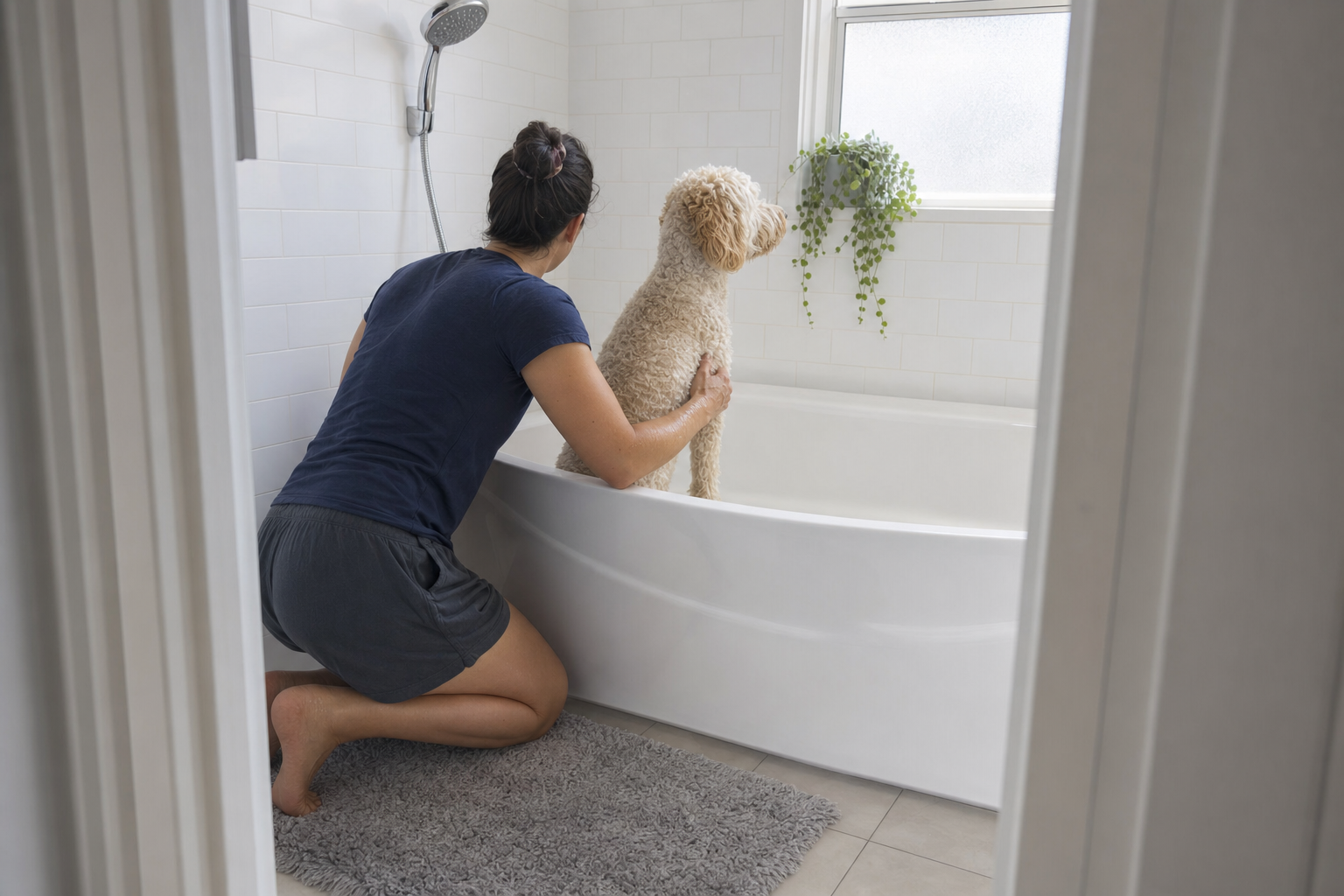
Towel-dry the dog and let their hair air-dry after bathing. Use both shampoo and conditioner to maintain their coat beautiful and glossy.
Tougher Double Coats with More Insulation
Dogs with double coats like Newfoundlands have a soft undercoat that offers insulation and a stronger topcoat that prevents moisture and protects against dust. They require a little more care than dogs with other types of fur due to their double coat, which can be short or long-haired.
Start with the undercoat on short-haired double-coated dogs. Use a slicker or pin brush. Brush outward from the skin, then brush the topcoat with the fur's lay.
Brush out parts of the dog's coat slowly if you have a long-haired dog. You might want to use an undercoat rake to get the knots out.
To loosen stray hairs, begin by stroking outward from the skin. After that, comb the undercoat with a wide-toothed comb. If there are any knots, apply a detangler to untangle them. Finish with a top coat brushing and a wash with shampoo and conditioner.
Long Coats That Require More Brushing
Longer fur on dogs like German Shepherds need frequent combing or brushing, particularly during shedding season. When bathing your dog, use a detangling shampoo to avoid any discomfort.
Wire Coats That Are Susceptible to Tangling
The wiry coats of a variety of terriers and Irish Wolfhounds are prone to tangles. When combing wire coats, also known as broken coats, use a stripping comb and a slicker brush.
Curly Coats That Require Regular Trimming
Poodles and Bichon Frises have dense, silky curls close to the body. Curls grow quickly and can become knotted, so keep them trimmed regularly.
Brush the coat with a soft, curved slicker brush against the lay of the fur to make it puffy. Use just shampoo while bathing, as conditioner can weigh down the fur and make clipping more difficult.
Conclusion
Knowing how to brush a dog's coat properly and how often they should get groomed is vital for caring for a dog. Doing it regularly and keeping up with it will help keep your dog healthy, reduce shedding, and give it a beautiful and shiny, healthy coat.
You can hire convenient door-to-door dog grooming if you find it a hassle to commute to your dog groomer.
Are you looking for
mobile dog grooming in Nassau County, NY? The HHG can take care of your dog grooming needs. Book your grooming service today!